
Why Survivors Feel Guilty for Setting Boundaries
The Guilt That Comes with Saying “No”
If you’ve walked away from an abusive or toxic relationship, you may have expected freedom but instead, you feel something unexpected: guilt.
Guilt for saying no.
Guilt for creating distance.
Guilt for choosing peace over people.
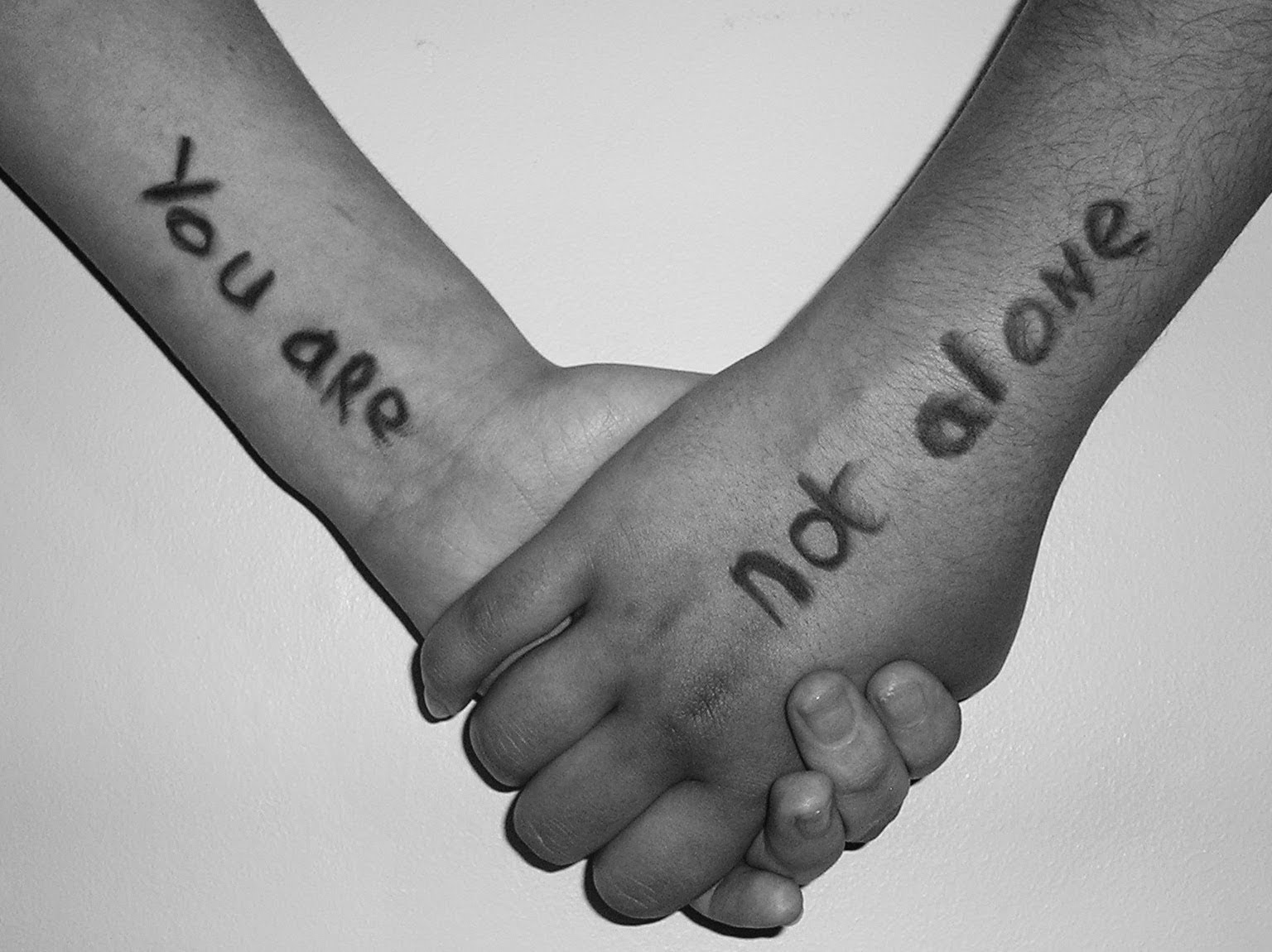
If that’s you, you’re not alone and more importantly, there is nothing wrong with you.
For many survivors of emotional abuse, narcissistic abuse, or coercive control, setting boundaries can feel deeply uncomfortable. Even when those boundaries are necessary for healing, they can trigger intense emotional resistance.
This article will help you understand why survivors feel guilty for setting boundaries, and how to begin releasing that guilt so you can heal with confidence.
1. You Were Conditioned to Prioritize Others Over Yourself
In abusive relationships, your needs were often ignored, dismissed, or punished.
Over time, you may have learned:
- Your needs don’t matter
- Keeping the peace is your responsibility
- Saying no leads to conflict or withdrawal
This conditioning doesn’t disappear overnight.
So when you finally start setting boundaries, your nervous system reacts as if you’re doing something wrong, even when you’re doing something healthy.
Truth:
Setting boundaries isn’t selfish, it’s a necessary part of healing.
2. You Were Taught That Love Requires Self-Sacrifice
Many survivors were led to believe that love looks like:
- Over-giving
- Over-explaining
- Over-extending
You may have been praised for your “patience” or “understanding,” even while being mistreated.
So now, when you set a boundary, it can feel like:
- You’re being unkind
- You’re abandoning someone
- You’re failing at love
But healthy love doesn’t require you to betray yourself.
Truth:
Real love includes mutual respect, not self-abandonment.
3. Trauma Bonds Can Make Boundaries Feel Like Betrayal
If you experienced cycles of abuse followed by affection, you may have developed a trauma bond.
This creates a confusing emotional attachment where:
- You feel responsible for the other person’s emotions
- You crave their approval
- You feel guilty for pulling away
When you set boundaries, your brain may interpret it as betraying the relationship, even if that relationship harmed you.
Truth:
Breaking unhealthy attachment is not betrayal, it’s healing.
4. Your Nervous System Still Associates Boundaries with Danger
After abuse, your body may still be wired for survival.
Setting a boundary can trigger:
- Anxiety
- Fear
- Overthinking
- A strong urge to “fix” things
Why? Because in the past, boundaries may have led to:
- Arguments
- Silent treatment
- Manipulation
- Escalation
So your body is trying to protect you, even if the danger is no longer present.
Truth:
Feeling unsafe doesn’t mean you are unsafe.
5. You Fear Being Seen as “The Problem”
Abusers often shift blame, making you feel like:
- You’re too sensitive
- You’re too difficult
- You’re the reason things go wrong
This can leave lasting self-doubt.
So when you set a boundary now, you may question:
- “Am I overreacting?”
- “Am I being unfair?”
- “What if I’m the toxic one?”
This is a lingering effect of manipulation, not reality.
Truth:
Healthy people respect boundaries. Unsafe people resist them.
6. Faith-Based Guilt Can Be Misunderstood
For women of faith, guilt can be even more complicated.
You may have heard messages like:
- “Turn the other cheek”
- “Forgive no matter what”
- “Love unconditionally”
But these truths are often misapplied in abusive contexts.
God does not call you to:
- Remain in harm
- Tolerate mistreatment
- Abandon wisdom and discernment
Truth:
Boundaries are not unloving, they are wise stewardship of your heart.
How to Start Releasing Boundary Guilt
Healing doesn’t mean the guilt disappears overnight, but you can begin to shift how you respond to it.
1. Name the Source of the Guilt
Ask yourself:
- Is this guilt coming from truth, or from conditioning?
2. Remind Yourself of Reality
You are allowed to:
- Protect your peace
- Say no without explanation
- Walk away from harm
3. Let Guilt Be a Feeling, not a Decision-Maker
You can feel guilty and still honor your boundary.
4. Rebuild Trust with Yourself
Every time you keep a boundary, you send yourself a message:
“I am safe with me.”
5. Invite God into Your Healing
Pray for clarity, peace, and discernment.
God’s voice brings conviction, not confusion, fear, or shame.
You Are Allowed to Protect Your Peace
If you feel guilty for setting boundaries, it doesn’t mean you’re doing something wrong.
It means:
- You’re unlearning survival patterns
- You’re breaking cycles
- You’re choosing healing
And that takes courage.
You are not unloving for having boundaries.
You are healing.
Schedule a Free Discovery Call
Faith-Based Life Coaching for Women Survivors of Abuse