If you’ve come out of an abusive relationship, one of the hardest beliefs to unlearn is this:
“Setting boundaries means I’m being unkind, selfish, or unloving.”
For many survivors especially women of faith this belief runs deep. You may have been taught to prioritize others, forgive endlessly, and “keep the peace” at all costs.
But here’s the truth:
Healthy boundaries are not unloving they are necessary for healing, safety, and God-honoring relationships.
What Are Healthy Boundaries After Abuse?
Healthy boundaries are clear limits you set to protect your emotional, mental, physical, and spiritual well-being.
After abuse, boundaries are not about punishment or control they are about:
Rebuilding safety
Restoring your sense of self
Preventing further harm
Creating space for healing
Without boundaries, healing becomes nearly impossible because the same patterns can continue to harm you.
Why Boundaries Feel So Wrong After Abuse
If setting boundaries feels uncomfortable or even “wrong” there’s a reason.
1. You Were Conditioned to Abandon Yourself
Abuse often trains you to:
Ignore your needs
Walk on eggshells
Prioritize someone else’s emotions over your own
So when you finally say “no,” it feels unnatural even though it’s healthy.
2. You Were Made to Feel Responsible for Others
Many survivors carry a false sense of responsibility:
“If they’re upset, it’s my fault.”
“I need to fix this.”
Boundaries disrupt that pattern and that can trigger guilt.
3. Scripture May Have Been Misused
If you’ve experienced spiritual manipulation, you may have heard things like:
“Love is patient so you should tolerate this.”
“Forgive no matter what.”
But biblical love is not enabling harm.
God does not call you to remain in situations that destroy you.
The Truth: Boundaries Are Loving (Here’s Why)
Let’s reframe what boundaries really are:
Boundaries Protect What God Gave You
Your peace, your body, your mind these are not disposable.
Setting boundaries is stewardship, not selfishness.
Boundaries Clarify Responsibility
You are responsible for:
Your actions
Your healing
Your choices
You are not responsible for:
Someone else’s behavior
Their reactions to your boundaries
Their healing journey
Boundaries Make Healthy Relationships Possible
Without boundaries:
Resentment grows
Trust erodes
Emotional safety disappears
With boundaries:
Respect increases
Communication improves
Relationships become sustainable
What Healthy Boundaries Can Look Like
After abuse, boundaries may feel small at first and that’s okay.
Here are examples:
“I’m not available to talk about this right now.”
“I need space to think before responding.”
“I will not engage in conversations where I’m being disrespected.”
“I’m choosing not to have contact.”
These are not acts of rejection.
They are acts of self-respect.
The Guilt That Comes With Boundaries (And What to do With It)
Let’s be honest setting boundaries often comes with guilt.
That doesn’t mean you’re doing something wrong.
It means:
You’re breaking old patterns
You’re choosing healing over familiarity
You’re learning to value yourself again
Gentle Truth to Hold Onto:
Guilt is not always a sign of wrongdoing. Sometimes it’s a sign of growth.
Faith-Based Perspective: Jesus Modeled Boundaries
If you’ve ever worried that boundaries aren’t “Christ-like,” consider this:
Jesus withdrew from crowds
He didn’t heal everyone who demanded it
He walked away from those who rejected truth
He spoke truth without softening it to avoid discomfort
Jesus loved deeply but He also had boundaries.
So can you.
How to Start Setting Boundaries (Without Overwhelm)
If you’re just starting, keep it simple:
1. Start Small
You don’t need to overhaul your entire life overnight.
Begin with one boundary.
2. Expect Pushback
People who benefited from your lack of boundaries may resist.
That doesn’t mean your boundary is wrong
3. Stay Consistent
Boundaries only work when they’re upheld.
Consistency builds self-trust.
4. Invite God Into the Process
Ask for:
Wisdom
Strength
Discernment
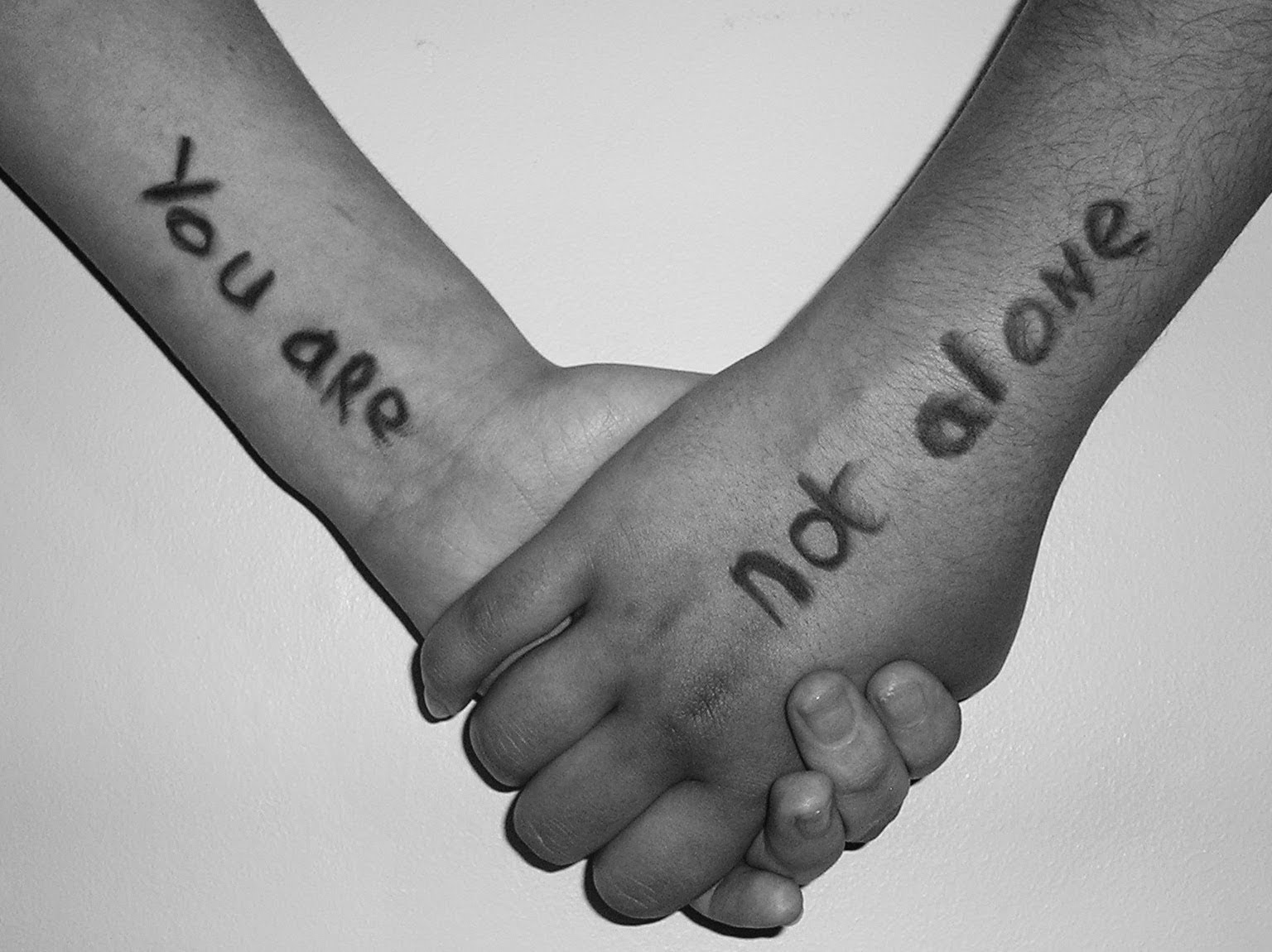
You are not doing this alone.
Final Encouragement: You Are Not Unloving
Let this sink in:
You are not unloving for protecting your peace. You are not selfish for honoring your needs. You are not wrong for choosing healing.
Healthy boundaries are not walls to keep love out.
They are gates that allow safe, respectful love in.