For many women healing from abusive relationships, the idea of setting boundaries can feel confusing, especially when faith is involved. You may have been told to “forgive and forget,” “turn the other cheek,” or “submit no matter what.”
But here’s the truth: God never calls you to remain in harm’s way.
Biblical boundaries are not unloving, selfish, or rebellious. They are wise, protective, and deeply aligned with God’s heart for your safety, dignity, and healing.
If you’re struggling to reconcile your faith with the need for boundaries after abuse, this article will help you understand what God actually supports.
What Are Biblical Boundaries?
Biblical boundaries are limits you set to protect your emotional, physical, and spiritual well-being, guided by God’s wisdom rather than fear or control.
They are not about punishing others, they are about stewarding what God has entrusted to you: your life, your heart, and your peace.
1. God Values Your Safety and Protection
One of the biggest misconceptions is that enduring harm makes you more “Christ-like.” It doesn’t.
Scripture consistently shows that God cares about your safety.
God often led people away from danger, not deeper into it
Wisdom and discernment are praised throughout Scripture
You are never called to tolerate ongoing harm
Key Truth: Protecting yourself is not a lack of faith, it is an act of wisdom.
2. Jesus Modeled Healthy Boundaries
Jesus is the perfect example of love, and He had boundaries.
He walked away from crowds (Luke 5:16)
He did not entrust Himself to everyone (John 2:24)
He confronted harmful behavior instead of enabling it
Jesus loved deeply, but He never allowed others to mistreat or control Him.
What this means for you: You can be loving and have limits at the same time.
3. Forgiveness Does Not Mean Reconciliation
This is one of the most harmful teachings many survivors have received.
Forgiveness is about releasing bitterness to God. Reconciliation requires repentance, accountability, and change.
You can forgive someone and still choose:
No contact
Limited contact
Strong emotional boundaries
Biblical wisdom supports both grace and discernment.
4. You Are Called to Steward Your Heart
Proverbs 4:23 says: “Above all else, guard your heart, for everything you do flows from it.”
This is not a suggestion, t’s a command.
After abuse, your heart has been wounded. Boundaries help you:
Protect your healing
Rebuild trust safely
Prevent further harm
Guarding your heart is obedience, not selfishness.
5. Boundaries Expose, Not Enable, Sin
Abuse thrives in silence, secrecy, and lack of accountability.
Boundaries:
Interrupt harmful patterns
Reveal truth
Refuse to participate in dysfunction
In fact, continuing to allow abuse often enables sin to continue unchecked.
Loving someone does not mean allowing them to harm you.
6. God Is Near to the Brokenhearted
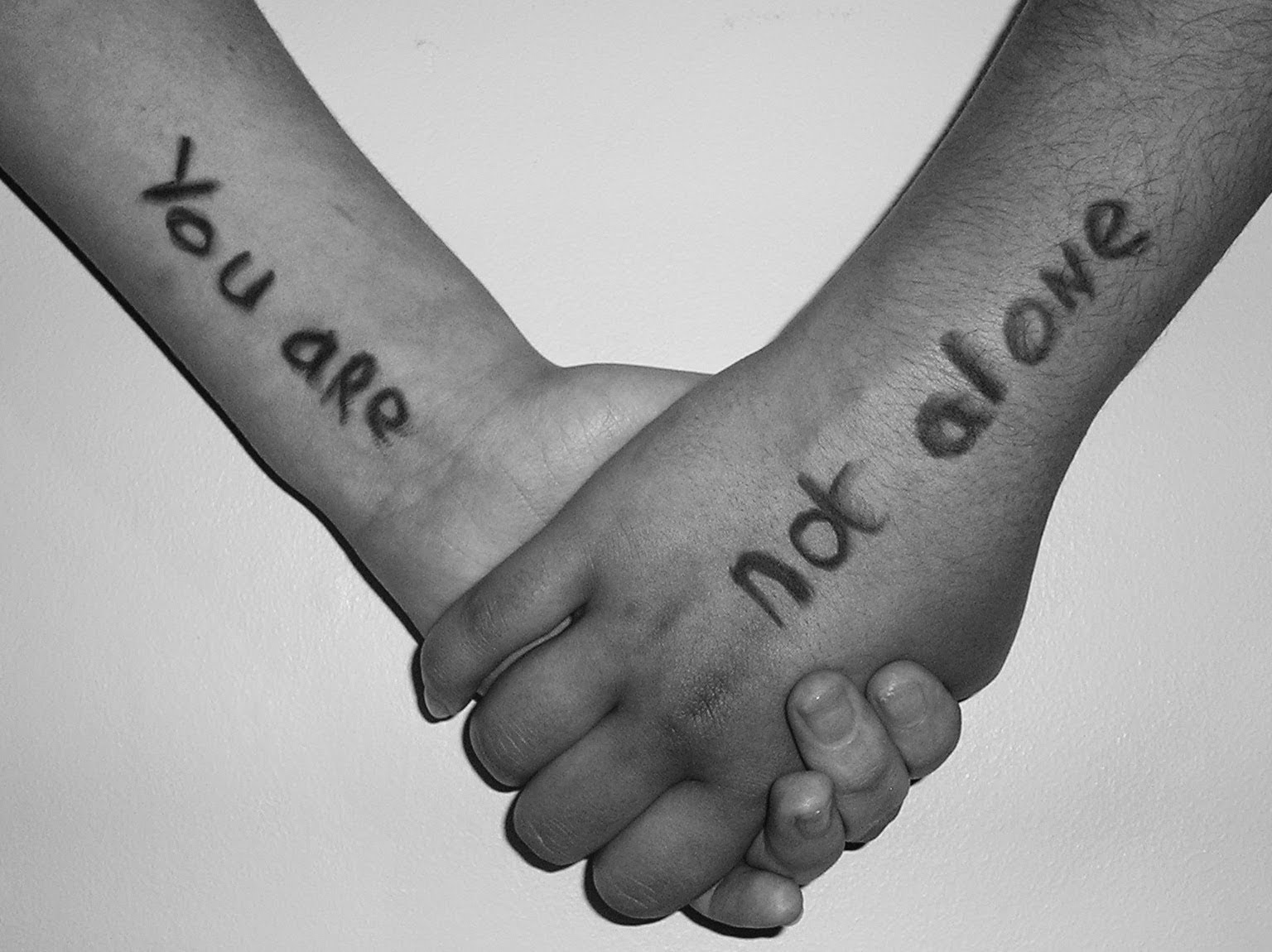
If you feel guilt for setting boundaries, you’re not alone.
But Psalm 34:18 reminds us: “The Lord is close to the brokenhearted and saves those who are crushed in spirit.”
God is not asking you to:
Ignore your pain
Stay in unsafe situations
Sacrifice your well-being for appearances
He is inviting you into healing, restoration, and truth.
How to Start Setting Biblical Boundaries After Abuse
Here are gentle, practical steps:
1. Pray for Clarity and Discernment
Ask God to show you where boundaries are needed.
2. Identify What Feels Unsafe or Draining
Your body often recognizes what your mind is still processing.
3. Start Small
Boundaries can begin with simple phrases like:
“I’m not comfortable with that.”
“I need space right now.”
4. Expect Resistance
People who benefit from your lack of boundaries may push back.
5. Stay Grounded in Truth
Boundaries are not rejection, they are protection.
Add Your Heading Text Here
Lorem ipsum dolor sit amet, consectetur adipiscing elit. Ut elit tellus, luctus nec ullamcorper mattis, pulvinar dapibus leo.
Final Encouragement: Boundaries Are Biblical
You are not dishonoring God by choosing safety. You are not failing spiritually by setting limits. You are not unloving for protecting your peace.
You are honoring the life God gave you.
Biblical boundaries are not about building walls, they are about creating safe, sacred space for healing.