
What Is Post-Separation Abuse?
Understanding Why the Abuse Didn’t End When the Relationship Did
What Is Post-Separation Abuse?
Many women believe that leaving an abusive relationship will finally bring peace. While leaving is often the most courageous and life-saving step you can take, many survivors quickly discover that the abuse doesn’t always end when the relationship does.
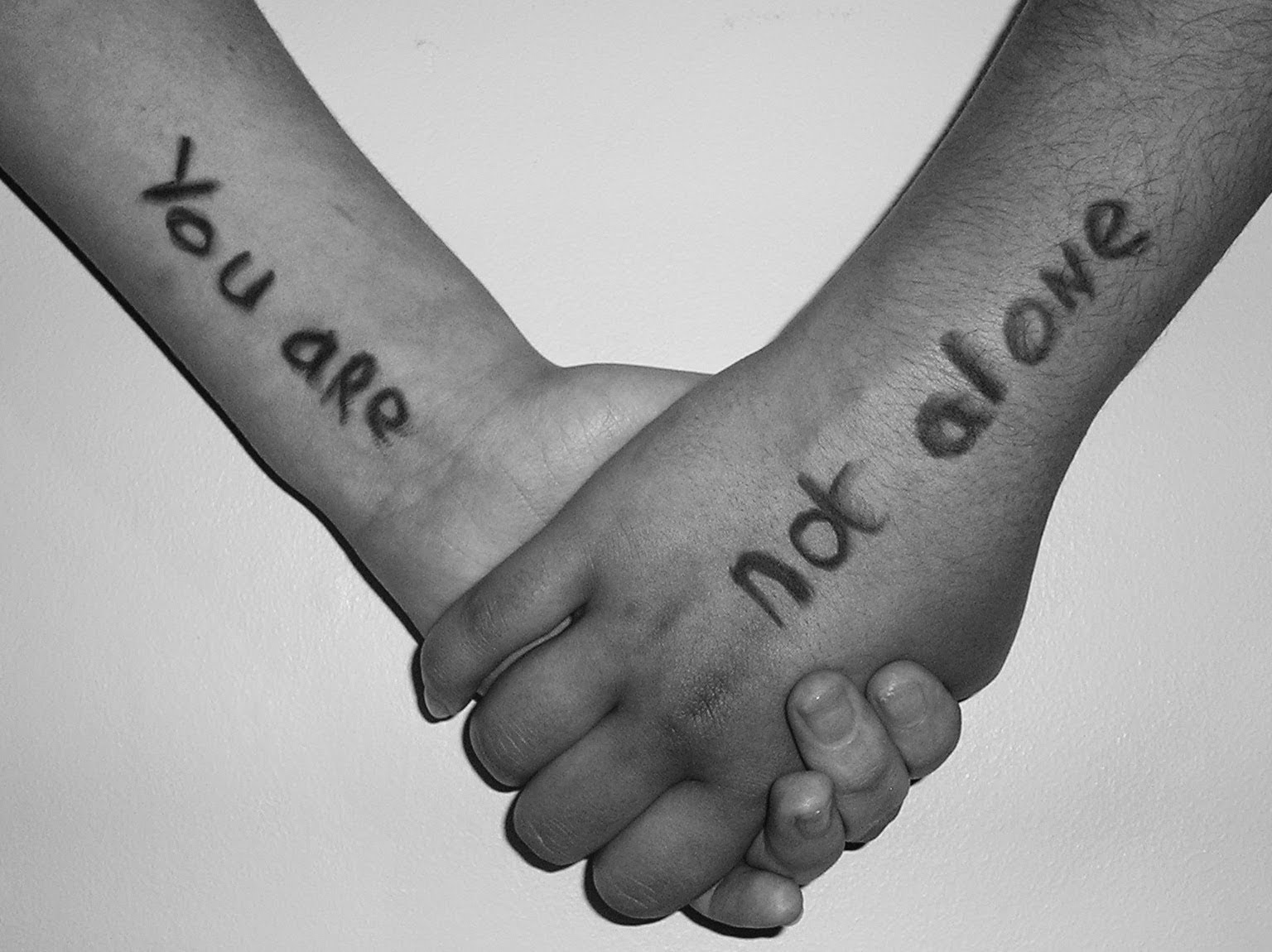
If you’ve found yourself thinking, “Why won’t he just leave me alone?” or “I thought it would be over once I left,” you are not alone.
This ongoing pattern is known as post-separation abuse. It is one of the most misunderstood forms of domestic abuse, yet it is incredibly common, especially when the abusive partner is coercively controlling.
Understanding what post-separation abuse looks like can help you recognize the tactics, protect yourself, and continue moving forward in your healing journey.
Post-Separation Abuse
Post-separation abuse refers to the continued pattern of coercive control, manipulation, intimidation, harassment, or abuse that occurs after a relationship has ended.
The abuser’s goal often remains the same:
- Regain control
- Punish you for leaving
- Keep you emotionally engaged
- Maintain access to you or your children
- Undermine your confidence and independence
For many survivors, separation actually threatens the abuser’s sense of control. Rather than accepting the relationship has ended, they simply change their tactics.
The abuse shifts—but it does not necessarily stop.
Why Does Abuse Continue After Separation?
Healthy relationships end with grief, healing, and eventually moving on.
Coercively controlling individuals often view separation very differently.
Leaving represents a loss of power over someone they believed they could control.
Instead of respecting your decision, they may attempt to:
- Re-establish dominance
- Create chaos
- Keep you emotionally exhausted
- Force continued contact
- Damage your support system
- Prevent you from rebuilding your life
Their behavior is about control, not love.
Common Forms of Post-Separation Abuse
1. Harassment Through Constant Communication
This may include:
- Endless text messages
- Repeated phone calls
- Emails
- Fake emergencies
- Showing up unexpectedly
- Contacting you through multiple phone numbers or accounts
Even messages that appear “nice” may be attempts to pull you back into the cycle.
2. Using the Children as Weapons
One of the most heartbreaking forms of post-separation abuse involves children.
Examples include:
- Speaking negatively about you to the children
- Encouraging children to reject you
- Refusing to follow parenting agreements
- Withholding information about the children
- Scheduling conflicts intentionally
- Making exchanges difficult
- Interrogating children after visits
- Sending messages through the children
This places children in an impossible position and creates enormous emotional stress.
3. Financial Abuse
Even after separation, financial control may continue through:
- Refusing child support
- Delaying court-ordered payments
- Creating unnecessary legal expenses
- Hiding income
- Damaging your credit
- Refusing to divide assets fairly
Financial instability can keep survivors trapped in fear long after leaving.
4. Legal Abuse
Sometimes called litigation abuse, this involves using the court system as another tool of control.
Examples include:
- Filing repeated motions
- Frivolous lawsuits
- Seeking unnecessary custody modifications
- Making false allegations
- Intentionally delaying court proceedings
- Refusing reasonable agreements
The goal is often exhaustion, not justice.
5. Smear Campaigns
Many survivors experience character assassination after leaving.
The abusive partner may:
- Spread lies
- Tell others you’re unstable
- Distort events
- Turn friends or family against you
- Damage your professional reputation
- Present themselves as the victim
This can leave survivors feeling isolated and deeply misunderstood
6. Digital Abuse
Technology has made continued control easier than ever.
Examples include:
- Monitoring social media
- Tracking your location
- Creating fake accounts
- Hacking passwords
- Using shared devices
- Sending unwanted messages
- Posting harmful content online
Protecting your digital privacy becomes an important part of healing.
7. Intimidation and Threats
Some abusers escalate after separation by:
- Driving past your home
- Appearing at your workplace
- Making indirect threats
- Destroying property
- Sending intimidating messages
- Stalking
Any behavior that causes you to fear for your safety should be taken seriously.
Why Survivors Often Feel Confused
One of the hardest realities of post-separation abuse is that outsiders often assume:
“You left, so why are you still dealing with him?”
The truth is that many survivors cannot simply disappear.
Shared children, court proceedings, finances, and community connections often require ongoing contact.
The abuse becomes less visible but can remain incredibly damaging.
How Post-Separation Abuse Affects Healing
Living under constant stress can impact every area of your life.
You may experience:
- Anxiety
- Hypervigilance
- Difficulty sleeping
- Panic attacks
- Decision fatigue
- Depression
- Fear of the future
- Isolation
- Emotional exhaustion
None of these responses mean you’re weak.
They are understandable responses to ongoing trauma.
Practical Steps to Protect Yourself
While every situation is unique, many survivors benefit from:
- Keeping communication brief and businesslike.
- Documenting incidents and saving evidence.
- Following court orders carefully.
- Limiting unnecessary contact.
- Building a trusted support system.
- Working with trauma-informed professionals.
- Strengthening digital security.
- Prioritizing physical and emotional safety.
- Seeking legal advice when appropriate.
- Continuing your healing, even while navigating ongoing challenges.
Remember that safety planning is not paranoia, it is wisdom.
What Does the Bible Say?
God never asks His children to remain under oppression.
Throughout Scripture, we see God’s heart for justice, protection, and freedom.
“The Lord is close to the brokenhearted and saves those who are crushed in spirit.” — Psalm 34:18
“The Lord is a refuge for the oppressed, a stronghold in times of trouble.” — Psalm 9:9
Your healing matters to God.
Setting healthy boundaries is not a lack of forgiveness, it is an act of wisdom and stewardship.
You can love others while refusing to participate in destructive patterns.
There Is Hope Beyond Post-Separation Abuse
Post-separation abuse can make it feel like freedom is always just out of reach.
But this chapter of your story does not define your future.
With support, healthy boundaries, practical strategies, and God’s guidance, you can rebuild a life marked by peace instead of fear.
Healing is possible.
Joy is possible.
Freedom is possible.
One step at a time, you can move from surviving to truly living.
Schedule a Free Discovery Call
Faith-Based Life Coaching for Women Survivors of Abuse