One of the most painful effects of emotional abuse is the belief that you’re the problem. Many survivors, especially Christian women, leave abusive relationships feeling confused, ashamed, and unsure of their own reality.
If you’ve ever thought:
“Maybe I’m overreacting.”
“Maybe I misunderstood.”
“Maybe I really am too sensitive.”
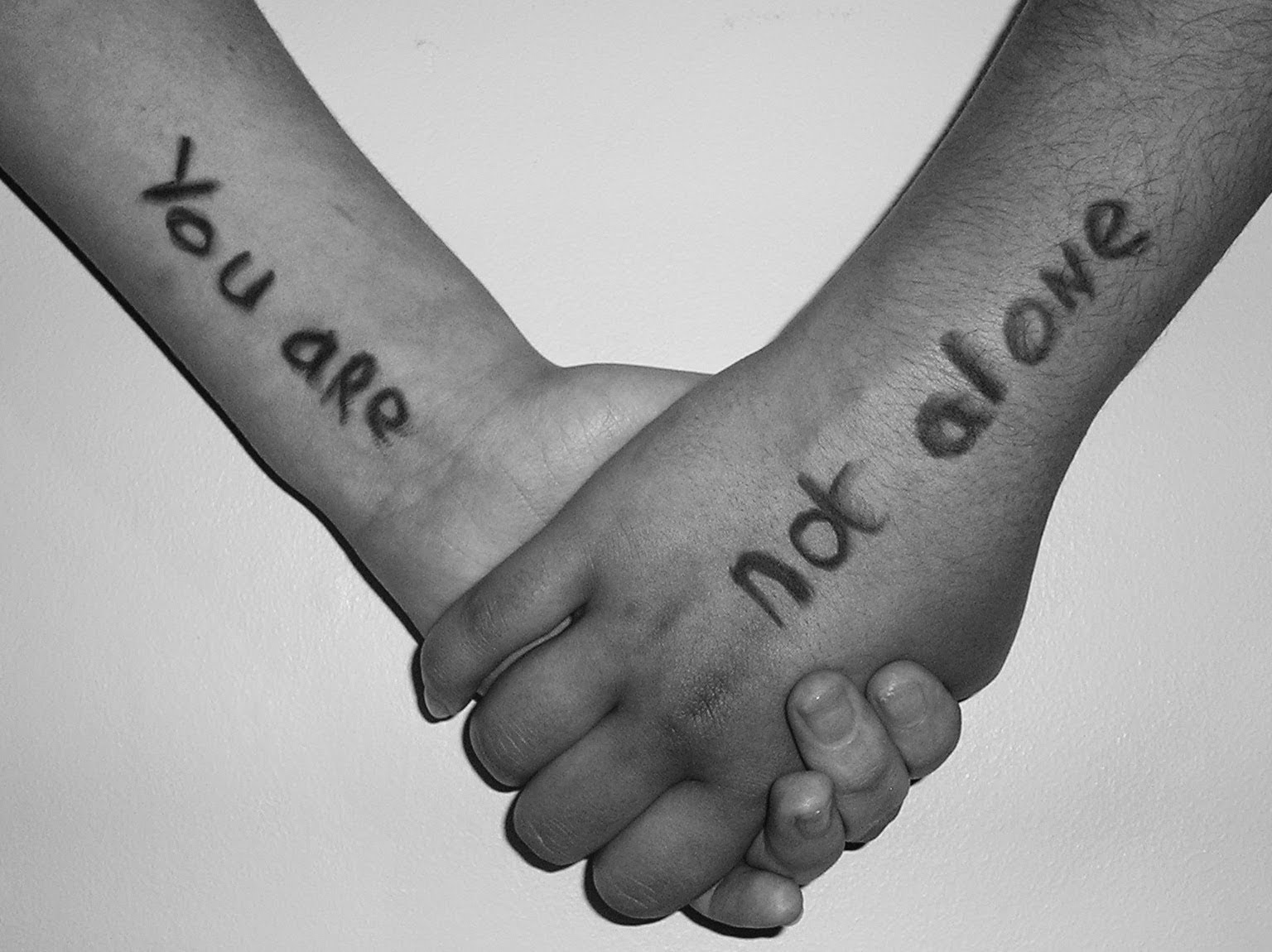
Please hear this clearly: you are not crazy. Emotional abuse is real, harmful, and deeply disorienting.
What Is Emotional Abuse?
Emotional abuse is a pattern of behaviors designed to control, intimidate, manipulate, or diminish another person, without leaving visible scars.
Unlike physical abuse, emotional abuse works quietly. It erodes confidence, clarity, and self-trust over time, making it difficult for survivors to even name what’s happening.
Common Tactics of Emotional Abuse
Many survivors don’t recognize emotional abuse because it often appears subtle or disguised as concern, leadership, or love.
1. Gaslighting
Gaslighting causes you to doubt your memory and perception.
You may hear:
“That never happened.”
“You’re imagining things.”
“You’re too sensitive.”
Over time, you stop trusting yourself.
2. Chronic Criticism and Blamee
Emotional abusers frequently:
Find fault no matter what you do
Shift blame onto you
Hold you to impossible standards
This creates constant anxiety and self-doubt.
3. Control Disguised as Caree
Control may look like:
Monitoring your choices
Isolating you from support
Making decisions for you
Framing dominance as “biblical leadership”
Healthy relationships do not require fear or silence.
4. Emotional Withholding
Affection, kindness, or approval may be withdrawn as punishment.
This trains survivors to:
Walk on eggshells
Over functioning to keep peace
Feel responsible for the abuser’s emotions
5. Spiritual Manipulation
Emotional abuse in Christian relationships often includes misuse of Scripture.
Examples include:
Demanding submissiom
Accusing you of lacking faith
Demanding forgiveness without repentance
God’s Word is never meant to control or harm
Why Emotional Abuse Makes You Feel “Crazy”
Emotional abuse creates a constant conflict between what you experience and what you’re told is true.
This results in:
Confusion and brain fog
Anxiety and hypervigilance
Shame and self-blame
Loss of identity
These are trauma responses, not character flaws.
God’s Truth About Abuse
God is not confused about abuse.
He sees injustice (Psalm 10:14)
He defends the oppressed (Psalm 82:3–4)
He values truth and light (John 8:32)
Acknowledging abuse is not bitterness, it’s truth.
Healing Begins with Validation
One of the most powerful steps in healing is hearing: