
Trauma Responses Survivors Don’t Realize Are Trauma
If you’ve walked away from an abusive relationship but still feel anxious, hyper-aware, exhausted, or confused… you may be experiencing trauma responses even if you don’t recognize them as trauma.
Many women healing from emotional abuse or coercive control assume trauma only looks like dramatic flashbacks or panic attacks. But trauma is often quieter. Subtle. Misunderstood.
And many survivors blame themselves for behaviors that are actually signs of a nervous system that learned to survive.
Let’s talk about the trauma responses survivors don’t realize are trauma.
1. Over-Explaining Yourself Constantly
You feel the need to justify your decisions.
You rehearse conversations in your head.
You over-clarify simple statements.
This is often a trauma response rooted in walking on eggshells. If you were punished, criticized, or gaslit for small things, your brain learned that safety requires excessive explanation.
This isn’t “being too much.”
It’s a survival strategy.
2. Apologizing for Everything
“I’m sorry” becomes automatic.
You apologize for having needs.
For asking questions.
For taking up space.
Chronic apologizing is common in survivors of emotional abuse because your boundaries were repeatedly violated. Your nervous system learned that minimizing yourself reduced conflict.
This is not weakness.
It’s conditioning.
3. Feeling Guilty When You Rest
After abuse, many women struggle with stillness. When you finally have peace, your body feels… uneasy.
That’s because your nervous system adapted to chaos. When chaos disappears, calm can feel unsafe.
This is called nervous system dysregulation and it’s incredibly common in trauma recovery.
4. Hyper-Independence
You tell yourself:
“I don’t need anyone.”
“I’ll handle it myself.”
“I won’t ever rely on someone again.”
Hyper-independence can develop after betrayal trauma. When trust was broken repeatedly, your brain decided dependence equals danger.
While strength is beautiful, isolation as protection is often unresolved trauma.
5. Emotional Numbness
You don’t cry like you used to.
You feel detached.
Joy feels muted.
This is not spiritual failure.
It’s not lack of faith.
It can be your nervous system conserving energy after prolonged stress. Emotional shutdown is a protective response when overwhelm became too much.
6. Confusion and Self-Doubt
Many survivors say:
“I still don’t know what was real.”
“Maybe it wasn’t that bad.”
“Maybe it was my fault.”
This lingering confusion is often the result of gaslighting and trauma bonding. Psychological manipulation rewires perception over time.
Self-doubt after emotional abuse is not proof you’re unstable it’s proof you were conditioned.
7. Being Easily Triggered by Small Things
A tone of voice.
A door closing loudly.
Someone not texting back.
Triggers don’t mean you’re dramatic. They mean your brain is scanning for past danger.
Trauma imprints patterns. Healing teaches your body that the threat is no longer present.
Trauma Responses Are Not Character Flaws
Survivors often label themselves:
Too sensitive.
Too emotional.
Too guarded.
Too broken.
But trauma responses are adaptations. Your brain did what it needed to do to survive an unsafe environment.
The same nervous system that protected you can also learn safety again.
Faith and Trauma Healing
If you’re a Christian woman healing from abuse, you may also struggle with spiritual confusion:
- “Why didn’t I see it sooner?”
- “Did God allow this?”
- “Is my anxiety a lack of faith?”
Trauma is not a spiritual failure.
It is a physiological and psychological response to prolonged harm.
Healing from abusive relationships is both practical and spiritual. It involves nervous system repair, renewing your mind, and re-learning safety with truth and compassion
You’re Not Crazy. You’re Healing.
If you see yourself in this list, take a deep breath.
Your behaviors make sense in the context of what you survived.
Awareness is the beginning of healing.
Compassion accelerates it.
And restoration is possible.
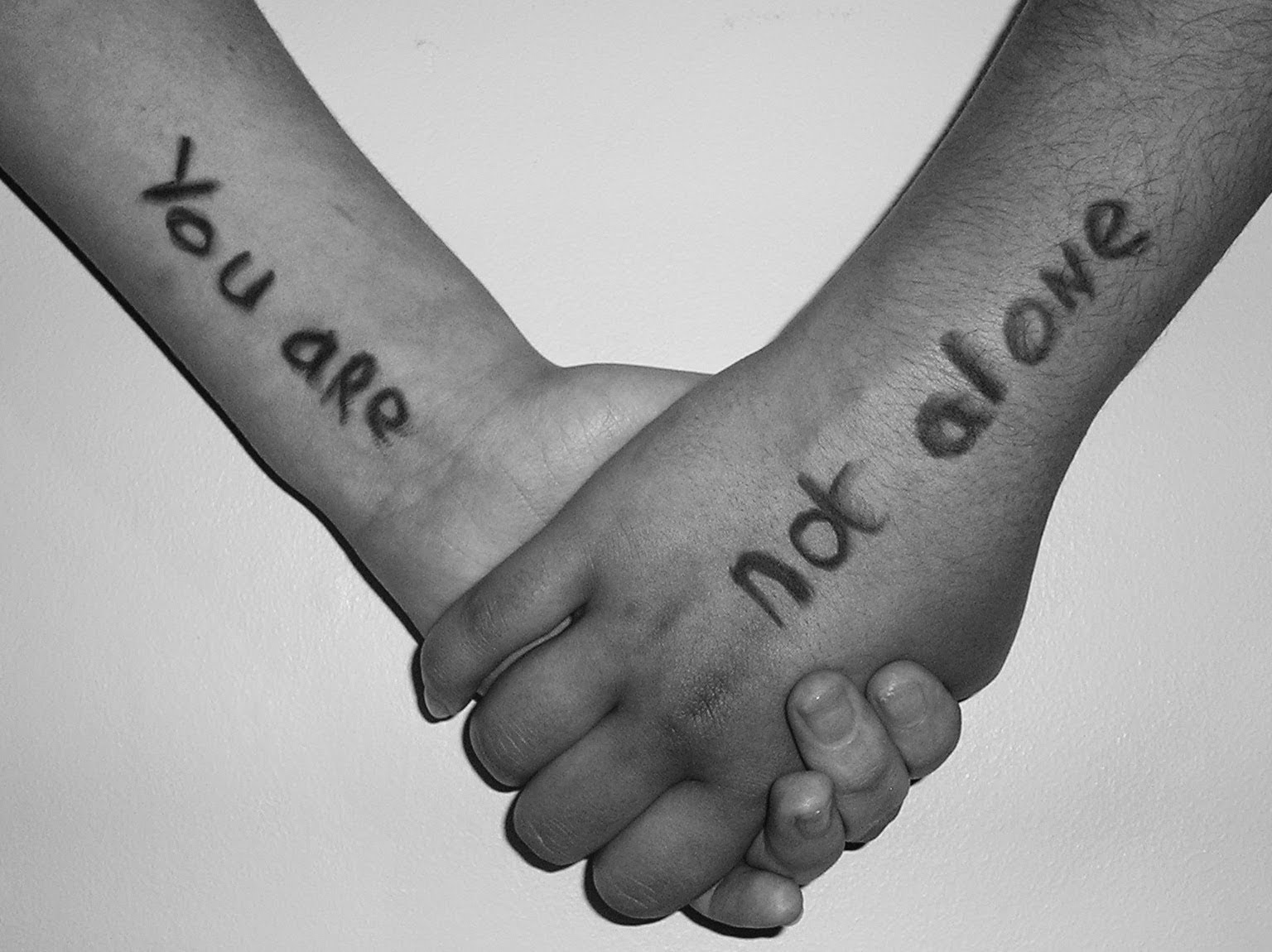
If you’re ready to understand your trauma responses and begin faith-based healing, you are not alone in this journey.
Schedule a Free Discovery Call
Faith-Based Life Coaching for Women Survivors of Abuse