
Psychological Abuse vs Emotional Abuse:
What Survivors Should Know
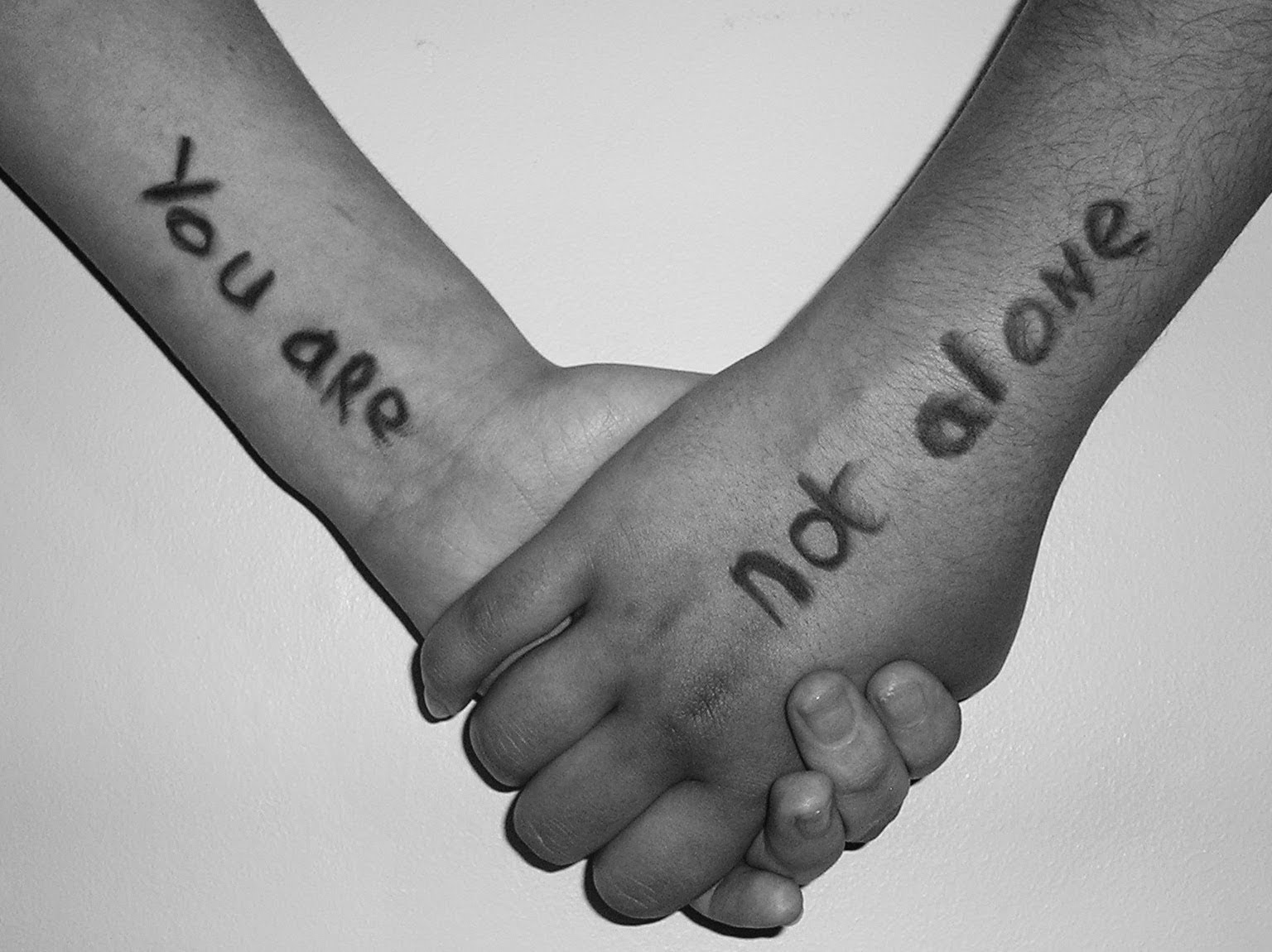
If you’ve ever walked away from a relationship feeling confused, broken, or unsure of what was even real, you’re not alone.
Many survivors struggle to put language into what they experienced, especially when the harm wasn’t physical. Terms like psychological abuse and emotional abuse are often used interchangeably, which can make things even more confusing.
But understanding the difference between psychological abuse vs emotional abuse can be a powerful step toward clarity, validation, and healing.
Because what happened to you does have a name.
And what you experienced was real.
What Is Emotional Abuse?
Emotional abuse is a pattern of behavior used to control, belittle, shame, or manipulate someone through their emotions.
It often targets your self-worth, identity, and emotional safety.
Common Signs of Emotional Abuse
- Constant criticism or put-downs
- Name-calling or insults
- Shaming or humiliation (public or private)
- Blaming you for everything that goes wrong
- Withholding love, affection, or approval
- Guilt-tripping or emotional blackmail
- Making you feel “too sensitive” or “too emotional”
Over time, emotional abuse can leave you feeling:
- Worthless
- Unlovable
- Emotionally drained
- Dependent on the abuser for validation
Emotional abuse attacks your heart, your sense of who you are and whether you are “enough.”
What Is Psychological Abuse?
Psychological abuse goes deeper into your mind. It is designed to distort your perception of reality, making you question your thoughts, memories, and even your sanity.
It often involves manipulation, control, and intimidation.
Common Signs of Psychological Abuse
- Gaslighting (denying things that happened, rewriting reality)
- Twisting your words or conversations
- Creating confusion and contradiction
- Silent treatment used as punishment
- Isolating you from friends and family
- Threats (direct or subtle)
- Controlling behavior (who you see, what you do, how you think)
Psychological abuse often leaves survivors feeling:
- Confused and disoriented
- Anxious and hypervigilant
- Unable to trust their own judgment
- Dependent on the abuser’s version of reality
Psychological abuse attacks your mind, your ability to trust what is real.
Psychological Abuse vs Emotional Abuse: Key Differences
While these two forms of abuse often overlap, the main difference lies in how they impact you.
Emotional Abuse:
- Targets your feelings and self-worth
- Makes you feel small, rejected, or unloved
- Uses shame, criticism, and emotional manipulation
Psychological Abuse:
- Targets your mind and perception of reality
- Makes you feel confused, unstable, or unsure what’s true
- Uses manipulation, control, and gaslighting
The Truth Most Survivors Need to Hear:
You don’t have to choose which one you experienced.
Most abusive relationships involve both emotional and psychological abuse working together, breaking down your confidence and your sense of reality at the same time.
Why These Forms of Abuse Are So Damaging
One of the hardest parts of emotional and psychological abuse is that it often leaves no visible scars.
But the internal damage can be profound.
You may find yourself:
- Overanalyzing everything you say or do
- Struggling to make simple decisions
- Feeling anxious, unsafe, or on edge
- Questioning your memories or experiences
- Blaming yourself for the abuse
- Feeling disconnected from who you used to be
This isn’t because you’re weak.
It’s because abuse rewires your nervous system and thought patterns over time.
When someone repeatedly manipulates your emotions and reality, your brain adapts in order to survive.
Why Survivors Often Feel Confused
Many survivors ask:
“Was it really abuse?”
“Maybe I’m overreacting.”
“They weren’t always like that.”
This confusion is not accidental, it’s often a direct result of psychological manipulation and emotional conditioning.
Abusers frequently:
- Alternate between kindness and cruelty
- Minimize or deny harmful behavior
- Shift blame onto you
- Create cycles of hope and disappointment
This creates what many survivors experience as a trauma bond, a powerful emotional attachment formed through inconsistency, fear, and longing for the “good moments.”
Signs You May Have Experienced Psychological or Emotional Abuse
If you’re still unsure, here are some gentle indicators:
- You feel like you “lost yourself” in the relationship
- You constantly second-guessed your thoughts or feelings
- You felt responsible for keeping the peace
- You were afraid of upsetting them
- You felt emotionally exhausted most of the time
- You struggled to explain the relationship to others
- You often felt confused rather than secure
If this resonates, it’s worth gently exploring your experience with compassion, not judgment
Healing After Emotional and Psychological Abuse
Healing from this kind of abuse takes time, patience, and support.
But it is possible.
1. Validate Your Experience
You don’t need proof, validation from others, or a “worse” story to justify your pain.
What you experienced matters.
2. Rebuild Self-Trust
Start small:
- Listen to your instincts
- Honor your feelings
- Practice making simple decisions again
Your inner voice is still there, it just needs space to be heard again.
3. Set Safe Boundaries
Learning to say “no” and protect your peace is part of healing.
Boundaries are not selfish, they are necessary.
4. Regulate Your Nervous System
Trauma lives in the body.
Gentle practices like:
- Deep breathing
- Prayer or stillness
- Walking
- Grounding exercises
…can help your body begin to feel safe again.
5. Seek Support
Healing doesn’t have to happen alone.
Whether it’s:
- A trauma-informed coach
- A therapist
- A faith-based support system
Having safe people in your life can make a powerful difference.
A Faith-Based Encouragement for Survivors
If your faith was shaken during the abuse, you’re not alone.
But here’s a truth to hold onto:
God is not the author of confusion, fear, or manipulation.
Even if someone used words, love, or even faith to control or harm you,
that was not a reflection of God’s heart toward you.
You are seen.
You are valued.
You are worthy of peace, clarity, and safe love.
Final Thoughts
Understanding the difference between psychological abuse vs emotional abuse isn’t about labeling your past, it’s about reclaiming your truth.
Because clarity leads to validation.
And validation is where healing begins.
If you’re on this journey, take it one step at a time.
You are not “too sensitive.”
You are not “imagining things.”
And you are not alone.
Schedule a Free Discovery Call
Faith-Based Life Coaching for Women Survivors of Abuse