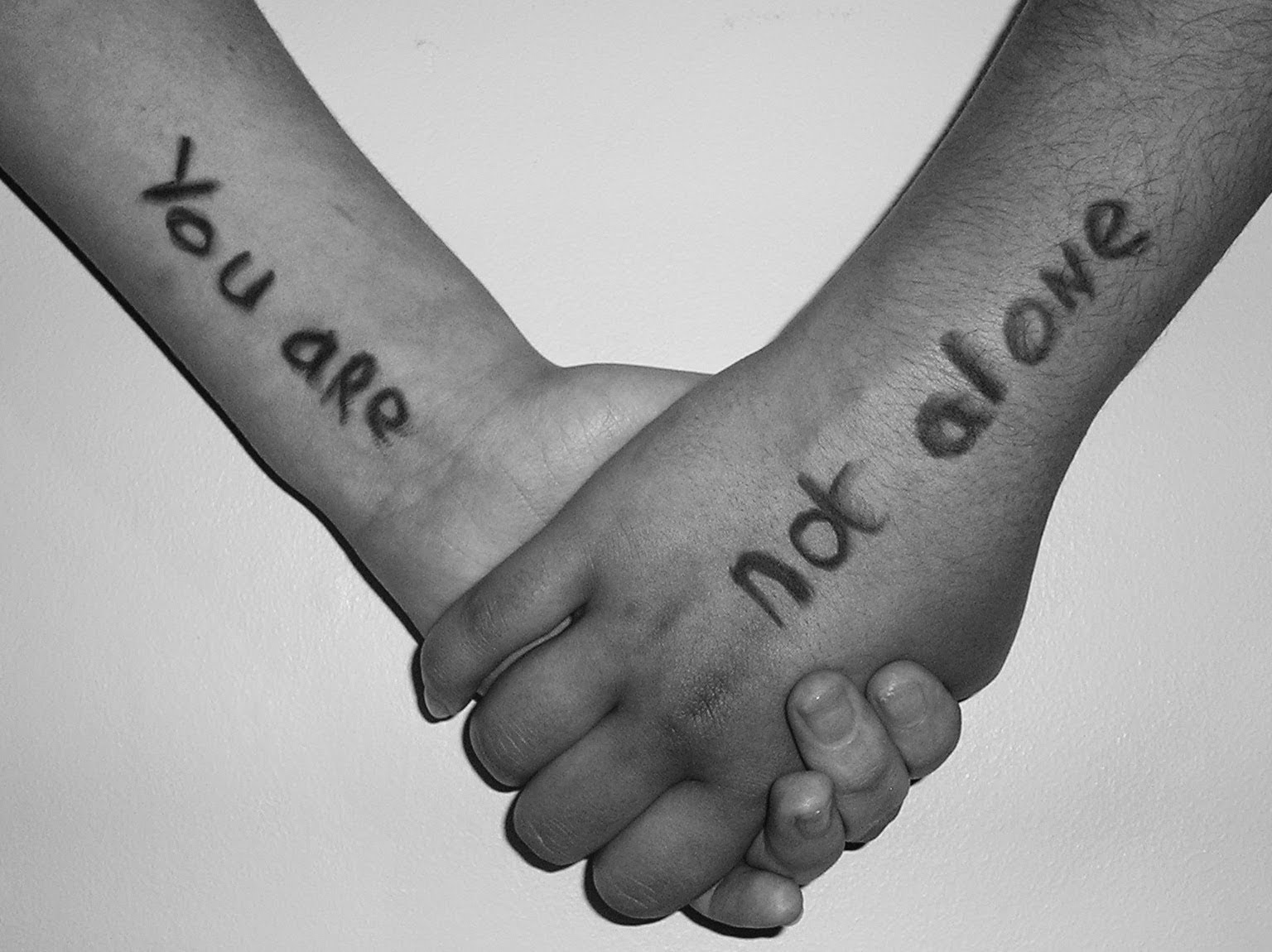
Healing from trauma is not a straight line. Some days you may feel strong and hopeful, and other days you may feel overwhelmed, numb, or unsure of who you are anymore. Journaling can be a powerful, gentle companion in the healing process, offering a safe space to process emotions, reclaim your voice, and reconnect with yourself after trauma.
If you are a survivor of emotional, spiritual, or relational trauma, journaling is not about reliving the pain. It’s about making sense of what happened, honoring your truth, and slowly restoring a sense of safety and self-trust.
Take your time. You don’t have to answer every prompt. Let your journal be a place of compassion, not pressure.
Why Journaling Supports Trauma Recovery
Trauma often disrupts our ability to name our emotions, trust our perceptions, and feel grounded in our bodies. Journaling helps by:
Creating a private, non-judgmental space to express thoughts and feelings
Helping organize overwhelming emotions and memories
Rebuilding a sense of agency and personal voice
Encouraging emotional regulation and self-awareness
Supporting spiritual and emotional integration during healing
You are always in control of what you write—and what you choose not to.
Journaling Prompts for Emotional Healing After Trauma
1. Creating Safety Within
What helps me feel emotionally safe right now?
When do I feel most at peace during the day?
What boundaries help protect my emotional well-being?
2. Naming the Impact of Trauma
In what ways has trauma affected how I see myself?
What emotions have I been carrying that I haven’t given space to express?
What parts of my experience do I need to acknowledge without minimizing?
3. Releasing Shame and Self-Blame
What false beliefs about myself did trauma create?
If I fully believed the abuse was not my fault, how would I see myself differently?
What would I say to a friend who experienced what I did?
4. Reclaiming Your Voice
When have I silenced myself to survive?
What truth am I ready to speak—even if only on these pages?
What does my inner voice need to be heard and honored?
5. Grieving Losses
What did trauma take from me that I need to grieve?
What relationships, dreams, or parts of myself were lost?
What does compassionate grieving look like for me?
6. Rebuilding Identity
Who was I before trauma—and who am I becoming now?
What strengths helped me survive?
What parts of myself feel ready to be rediscovered or restored?
7. Emotional Regulation & Self-Compassion
What emotions feel hardest for me to sit with?
How does my body respond when I feel triggered?
What helps me return to calm when emotions feel overwhelming?
8. Forging a New Relationship with Yourself
What does self-trust look like in this season?
How can I care for myself in ways that feel safe and supportive?
What does kindness toward myself look like today?
9. Hope & Forward Movement
What does healing mean to me right now (not someday, but today)?
What small step forward feels manageable?
What would it look like to honor my progress instead of rushing it?
10. Spiritual & Inner Restoration
Where do I feel disconnected from God or my spiritual self?
What questions or doubts do I need permission to express?
What would divine compassion sound like spoken over my life?
Gentle Reminders for Survivors
You are not broken—you adapted to survive.
Healing happens in layers, not deadlines.
Your story deserves tenderness and respect.
Journaling is a tool, not a test. There is no “right” way to heal.
If journaling brings up intense emotions, pause, ground yourself, and seek support from a trusted professional, faith leader, or trauma-informed coach.
Closing Encouragement
Your healing matters. Your voice matters. Every word you write is an act of courage and reclamation. Let your journal be a sacred space where truth is honored, pain is witnessed, and hope is slowly restored, one page at a time.