
Is It Abuse or Just a Bad Relationship?
How to Tell the Difference
For Women Questioning What They’re Experiencing
Many women in painful relationships ask themselves this question in silence:
“Is this abuse… or are we just struggling?”
If you’ve felt confused, guilty, or unsure whether what you’re experiencing “counts” as abuse, you are not alone. Abusive relationships often don’t look like what we expect. They can be subtle, emotionally draining, spiritually confusing, and deeply destabilizing especially for women who value commitment, forgiveness, and faith.
Let’s gently and clearly explore the difference.
Why This Question Is So Common
Abuse rarely begins with cruelty. It often starts with charm, intensity, and promises. Over time, behaviors shift slowly enough that many women begin questioning themselves instead of the relationship.
Survivors often ask:
- Am I being too sensitive?
- Is this normal conflict?
- Maybe I just need to pray harder or try more?
These questions don’t mean you’re weak. They mean you’re trying to survive something confusing.
What Defines a “Bad Relationship”?
All relationships have challenges. A difficult or unhealthy relationship may include:
- Poor communication
- Occasional arguments
- Emotional immaturity
- Unresolved conflict
- Mutual hurt and misunderstandings
But in a non-abusive relationship:
- Both people take responsibility
- Repair is possible
- Your voice matters
- There is emotional safety, even during conflict
- Growth and change can happen over time
What Makes a Relationship Abusive?
Abuse is not about anger or conflict it’s about power and control.
An abusive relationship often includes patterns such as:
- Emotional manipulation or gaslighting
- Constant criticism or belittling
- Control over your choices, time, finances, or relationships
- Intimidation, threats, or fear
- Blame-shifting and refusal to take responsibility
- Spiritual manipulation (using Scripture to control or silence you)
- Walking on eggshells to avoid reactions
The key difference:
In abuse, one person consistently holds power over the other.
Ask Yourself
Instead of asking, “Is it bad enough?”
Ask yourself:
- Do I feel safe being myself?
- Am I shrinking to keep the peace?
- Do I feel confused, anxious, or emotionally exhausted most of the time?
- Do I doubt my reality after conversations with them?
Your body often knows the truth before your mind does.
What Abuse Is NOT
Abuse is not:
- Your fault
- A communication problem
- Something love can fix
- A failure of faith
- Something you cause by “not trying hard enough”
God does not ask you to endure harm to prove your faithfulness.
Why Faith Can Make This Even Harder
Christian women are often taught to:
- Be patient
- Forgive endlessly
- Sacrifice self
- Submit
- Pray more
- Keep the family together at all costs
But biblical love does not require self-destruction.
God is a God of truth, safety, and freedom—not control or fear.
Recognizing abuse is not betrayal. It is wisdom.
If You’re Still Unsure
If you’re questioning your relationship, that curiosity matters. Abuse thrives in silence and confusion. Clarity is a step toward healing whether that healing involves boundaries, support, or safety.
You deserve peace, dignity, and emotional safety.
You Are Not Overreacting
If this article stirred something in you, trust that nudge.
Healing begins when we name the truth.
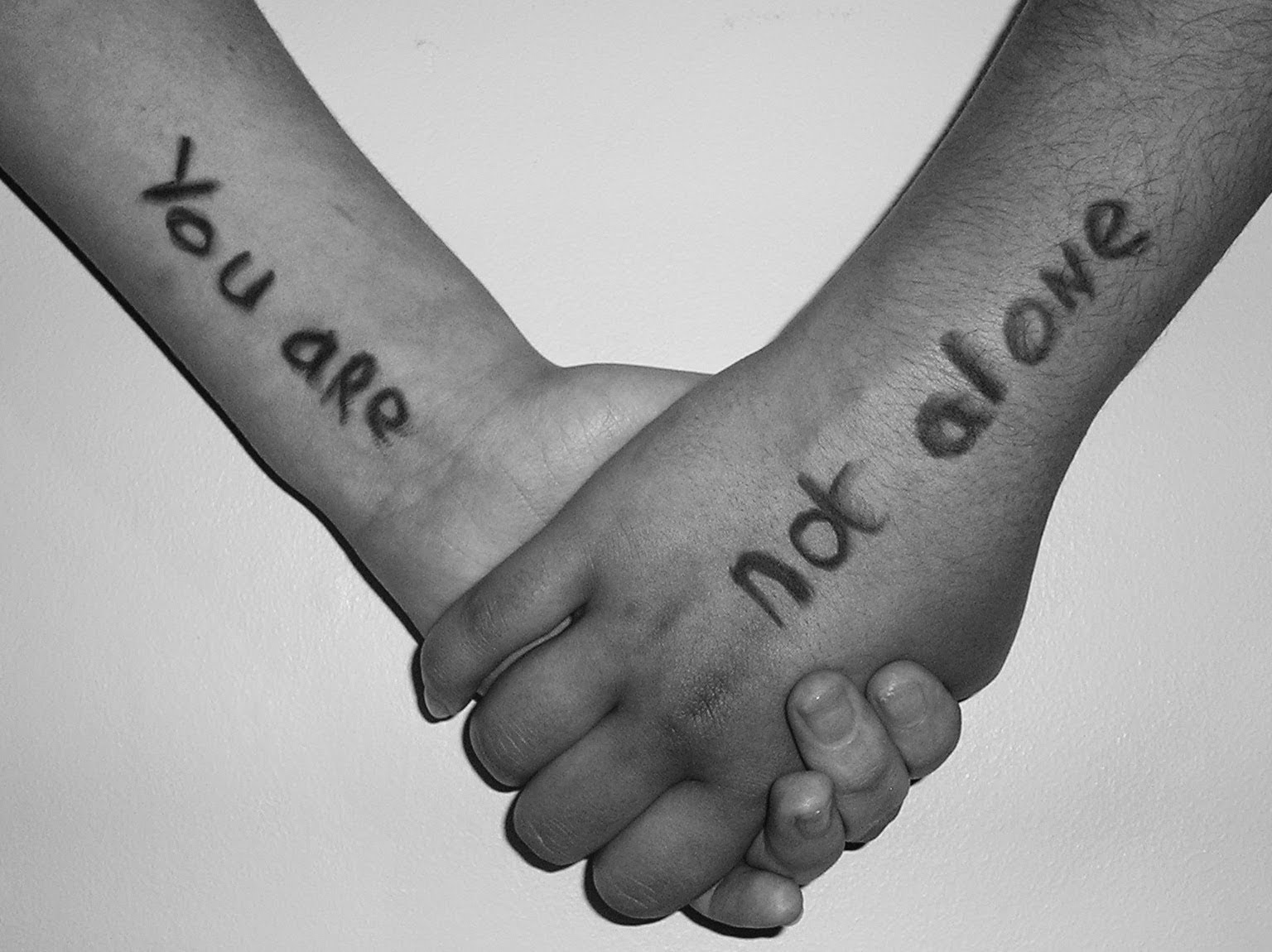
You are not alone and you are not imagining this.
Schedule a Free Discovery Call
Faith-Based Life Coaching for Women Survivors of Abuse