
Healing from Narcissistic Abuse:
What Survivors Need to Know
Healing from narcissistic abuse takes time, and if you are on this journey, it’s important to know what you experienced was real, damaging, and not your fault. Many survivors leave narcissistic relationships feeling confused, emotionally exhausted, and spiritually shaken. This kind of abuse is often invisible to others but deeply wounding to the soul.
If you are a woman healing after an emotionally or psychologically abusive relationship, this guide is for you. You are not weak. You are not broken beyond repair. And with God’s help, healing is possible.
What Is Narcissistic Abuse?
Narcissistic abuse is a pattern of emotional, psychological, and sometimes spiritual manipulation used to control, dominate, and diminish another person. It often includes:
- Gaslighting (making you doubt your reality)
- Chronic criticism or belittling
- Love-bombing followed by devaluation
- Blame-shifting and lack of accountability
- Silent treatment, stonewalling, or withdrawal of affection
- Spiritual manipulation (using Scripture to control or silence)
Unlike healthy conflict, narcissistic abuse is systemic and intentional, designed to erode your sense of self over time.
“The thief comes only to steal and kill and destroy; I have come that they may have life, and have it to the full.”
John 10:10
Why Healing from Narcissistic Abuse Is So Difficult
Survivors often struggle because narcissistic abuse attacks the mind, identity, and spirit. You may find yourself asking:
- Why do I still miss them?
- Why do I feel guilty for leaving?
- Why do I doubt my own memories?
These reactions are trauma responses, not signs of weakness. Trauma bonds form when cycles of affection and harm create emotional dependency. Breaking free can feel like grieving someone who never truly existed.
Healing takes time because:
- Your nervous system has been conditioned to survive chaos
- You were trained to prioritize their needs over your own
- Your sense of self may have been slowly dismantled
Common Emotional & Spiritual Effects on Survivors
Many women healing from narcissistic abuse experience:
- Anxiety or panic attacks
- Depression or emotional numbness
- Hypervigilance or fear of conflict
- Shame, self-blame, or low self-worth
- Confusion about God, faith, or forgiveness
If your faith was used against you, you may feel distant from God—not because He left you, but because abuse distorts truth. God is not the author of confusion or control.
“For God is not a God of disorder but of peace.”
1 Corinthians 14:33
What Survivors Need to Know to Heal
1. You Do Not Need Their Validation to Heal
Closure does not come from the abuser. It comes from truth, boundaries, and reclaiming your voice.
2. Forgiveness Does Not Mean Reconciliation
Biblical forgiveness does not require staying in harm’s way. God values your safety and well-being.
3. Boundaries Are Biblical
Jesus Himself withdrew from those who sought to harm or manipulate Him. Boundaries are not unloving, they are wise.
4. Healing Is Both Emotional and Spiritual
Trauma lives in the body and mind. Prayer, Scripture, counseling, and trauma-informed support can work together.
5. You Are Allowed to Grieve
You may grieve the relationship, the years lost, or the person you were before the abuse. Grief is part of healing.
How God Supports Your Healing Journey
God sees what others may never fully understand. He is close to the brokenhearted and gentle with the wounded.
“The Lord is close to the brokenhearted and saves those who are crushed in spirit.”
Psalm 34:18
As you heal:
- God restores truth where lies were planted
- He rebuilds your identity apart from the abuse
- He strengthens discernment and self-trust
- He brings peace where chaos once ruled
Healing is not about becoming who you were—it’s about becoming who God is restoring you to be.
Gentle Next Steps for Healing from Narcissistic Abuse
- Educate yourself about trauma and abuse dynamics
- Seek faith-based, trauma-informed support
- Journal to reconnect with your thoughts and emotions
- Rebuild boundaries slowly and safely
- Spend time in Scripture that emphasizes God’s character—not condemnation
Most importantly, be patient with yourself. Healing is holy work.
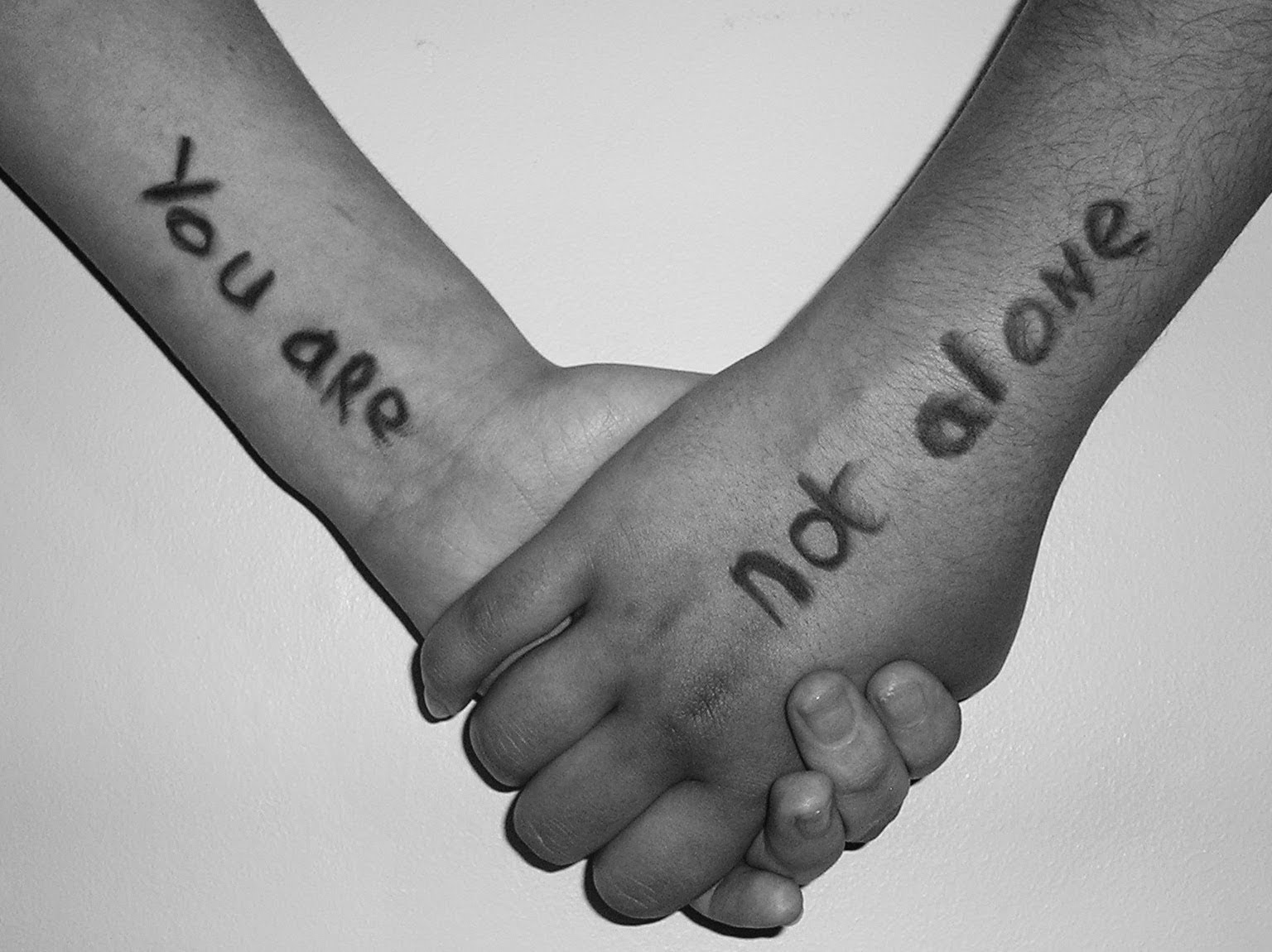
You Are Not Alone
If you are healing from narcissistic abuse, please know this: God believes you. God sees you. And God is walking with you every step of the way.
Your story does not end with abuse. It continues with restoration, clarity, and renewed strength.
Schedule a Free Discovery Call
Faith-Based Life Coaching for Women Survivors of Abuse