
Healing from Emotional Abuse:
Step-by-Step Support for Survivors
Healing from emotional abuse can feel confusing, overwhelming, and isolating. Unlike physical abuse, emotional abuse leaves invisible wounds yet the damage to your confidence, faith, and sense of safety can run just as deep.
If you are a Christian woman recovering from an abusive relationship, this guide offers practical, faith-centered, step-by-step support to help you begin healing with clarity and hope.
You are not crazy.
You are not weak.
And this was not your fault.
What Is Emotional Abuse?
Emotional abuse (also called psychological abuse) includes patterns of manipulation, control, intimidation, and degradation designed to erode your sense of self.
Common signs of emotional abuse include:
- Gaslighting (making you doubt your reality)
- Constant criticism or belittling
- Silent treatment or emotional withdrawal
- Blame shifting
- Isolation from friends or family
- Spiritual manipulation (using Scripture to control or shame you)
- Threats or intimidation
Many survivors experience trauma bonding, anxiety, hypervigilance, and deep self-doubt long after the relationship ends.
Healing is possible but it requires intentional support.
Step 1: Acknowledge That It Was Abuse
One of the hardest parts of healing from emotional abuse is admitting it was real.
Abusers often minimize their behavior, and survivors are conditioned to excuse it. You may still hear their voice in your head telling you:
- “You’re too sensitive.”
- “It wasn’t that bad.”
- “You’re overreacting.”
Naming the experience as emotional abuse is the first step toward reclaiming your clarity.
Truth brings freedom.
Step 2: Break the Trauma Bond
Trauma bonding happens when cycles of harm and intermittent kindness create emotional dependency. This is why leaving an abusive relationship can feel impossible even when you know it’s unhealthy.
To begin breaking the trauma bond:
- Reduce or eliminate contact if possible (no contact or low contact)
- Remove digital triggers (old texts, photos, social media monitoring)
- Journal truth statements to counter distorted thinking
- Seek safe, informed support (coach, therapist, faith mentor)
Separation allows your nervous system to stabilize.
Step 3: Rebuild Your Identity
Emotional abuse attacks your identity. Over time, you may forget who you were before the relationship.
Begin restoring your sense of self:
- Make small independent decisions daily
- Reconnect with safe friends
- Rediscover hobbies and interests
- Speak affirmations rooted in biblical truth
- Practice self-compassion instead of self-criticism
Your worth was never defined by how someone treated you.
Step 4: Heal Your Nervous System
Emotional abuse creates chronic stress. Survivors often experience:
- Anxiety
- Brain fog
- Insomnia
- Emotional triggers
- Hypervigilance
Gentle nervous system support may include:
- Breathwork or grounding exercises
- Trauma-informed therapy
- Walking or light movement
- Structured routines
- Limiting exposure to triggering environments
Your body needs safety to heal.
Step 5: Restore Your Faith After Abuse
For Christian survivors, emotional abuse can deeply impact your relationship with God specially if Scripture was misused.
You may wonder:
- “Where was God?”
- “Did I miss red flags because I trusted too much?”
- “Can I trust again?”
Healing spiritually involves separating God’s character from your abuser’s behavior.
God is not controlling.
God is not shaming.
God is not manipulative.
Rebuilding faith may include:
- Reading Scripture through the lens of safety and compassion
- Releasing false guilt
- Seeking trauma-informed Christian support
- Lament prayer (honest conversations with God)
- Replacing distorted theology with biblical truth
God’s heart is near to the brokenhearted.
Step 6: Establish Healthy Boundaries
Boundaries are not punishment. They are protection.
After emotional abuse, boundaries help restore:
- Emotional safety
- Mental clarity
- Physical security
- Spiritual health
Healthy boundaries may include:
- Saying no without over-explaining
- Limiting access to your time and energy
- Clarifying expectations in new relationships
- Protecting your healing process
Boundaries are a sign of growth, not rebellion.
Step 7: Seek Ongoing Support
Healing from emotional abuse is not linear. There may be grief waves, triggers, and moments of doubt.
Support accelerates recovery. Consider:
- Christian trauma recovery coaching
- Trauma-informed counseling
- Support groups for abuse survivors
- Faith-based healing resources
- Structured recovery programs
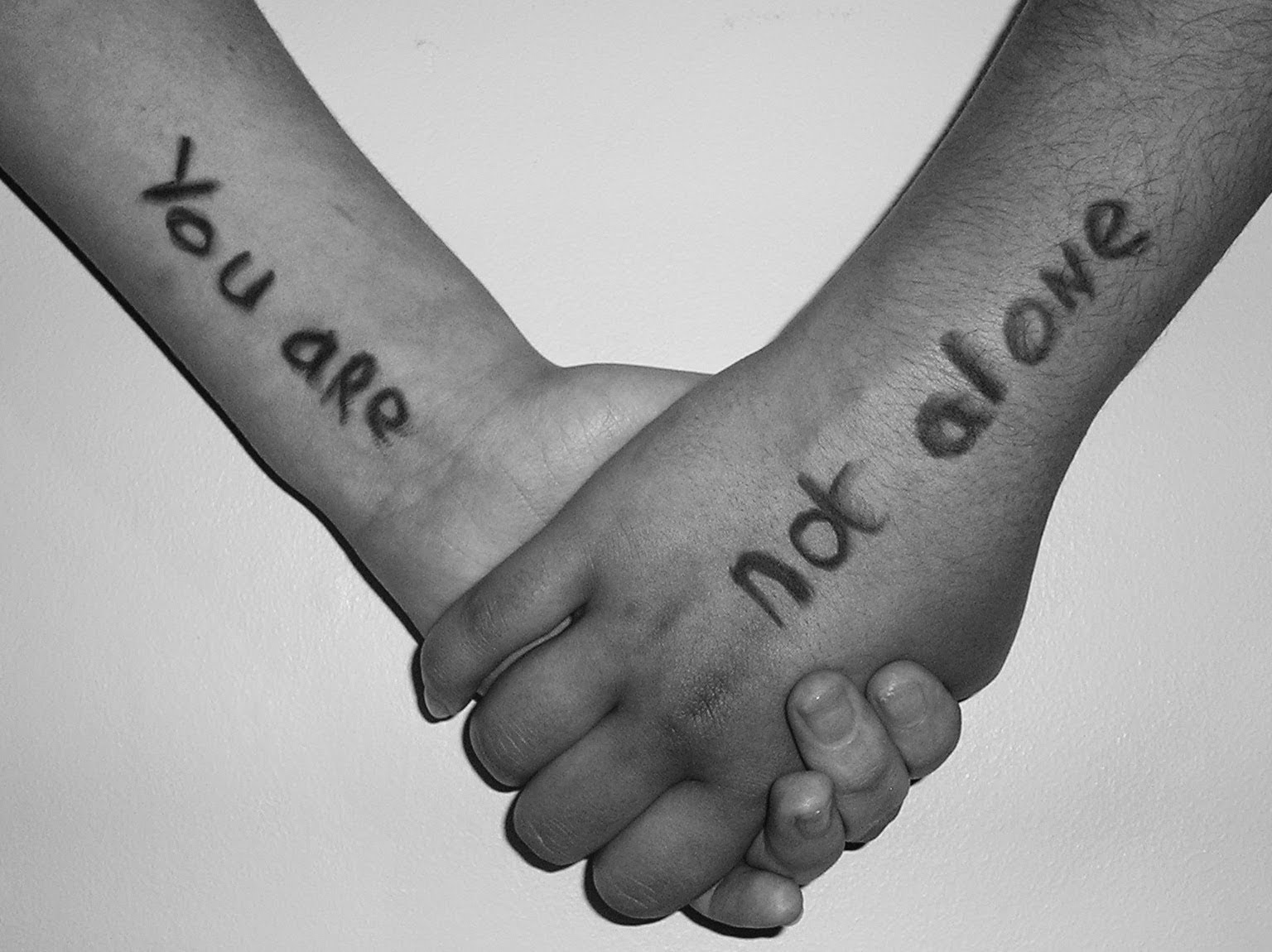
You do not have to walk this journey alone.
Final Encouragement for Survivors
Healing from emotional abuse takes courage. It takes truth. It takes time.
But it is possible.
You can rebuild confidence.
You can restore faith.
You can form healthy relationships again.
You can feel safe in your own body.
And you can trust that God’s heart toward you is gentle.
Your story is not over.
Schedule a Free Discovery Call
Faith-Based Life Coaching for Women Survivors of Abuse