
Emotional Regulation After Trauma:
Gentle Tools That Actually Help
Emotional Regulation After Trauma: Why It Feels So Hard
If you’ve experienced emotional abuse, coercive control, or an unhealthy relationship, you may find yourself overwhelmed by emotions that feel too big, too fast, or completely confusing.
You might:
- Cry unexpectedly
- Feel sudden anxiety in safe situations
- Shut down emotionally
- React strongly to small triggers
- Feel numb or disconnected
This is called emotional dysregulation after trauma and it is not a character flaw. It is a nervous system response.
When you live in survival mode for a long time, your body adapts to stay safe. After the relationship ends, your nervous system doesn’t automatically switch back to calm. Healing takes time, gentleness, and intentional tools.
The good news? Emotional regulation can be learned. And it does not require harsh self-discipline it requires compassion.
What Is Emotional Regulation After Trauma?
Emotional regulation after trauma is the process of helping your nervous system feel safe enough to:
- Slow down
- Process feelings without panic
- Respond instead of react
- Experience peace without fear
For women healing from emotional abuse, trauma recovery tools must be gentle. Your system has already endured too much force.
Let’s talk about tools that actually help.
1. Grounding Through the Body (Not Just Positive Thinking)
After trauma, logic alone won’t calm your body. Your nervous system needs physical reassurance.
Try:
- Placing one hand on your chest and one on your stomach while breathing slowly
- Naming 5 things you see, 4 you feel, 3 you hear
- Standing barefoot on grass and noticing the ground beneath you
- Wrapping up in a soft blanket and intentionally relaxing your shoulders
These small acts signal safety to your brain.
Healing after emotional abuse begins in the body.
2. Permission to Feel Without Judgment
Many Christian women healing from abuse struggle with guilt about their emotions.
You may have been told:
- You’re too sensitive
- You’re overreacting
- You need more faith
- Good Christians don’t feel anger
But emotional regulation does not mean suppressing feelings. It means allowing emotions to move through you safely.
Try saying:
- “This feeling makes sense.”
- “My body is responding to past pain.”
- “I can feel this without being controlled by it.”
Gentle self-talk rewires internal shame.
3. Rhythms That Calm the Nervous System
Trauma disrupts internal rhythm. Consistency rebuilds it.
Helpful practices:
- Morning sunlight within 30 minutes of waking
- Regular meals (even when not hungry)
- Consistent sleep routines
- Soft worship music during anxious moments
- Slow walks while praying honestly
Faith-based trauma healing isn’t about pretending everything is fine. It’s about inviting God into your nervous system repair.
4. Scripture for Nervous System Healing
Emotional regulation after trauma is not about “trying harder” spiritually.
It’s about remembering who God actually is.
Many women healing from spiritual abuse need to relearn that:
- God is not volatile
- God is not controlling
- God is not emotionally unsafe
Meditate slowly on truths like:
- “The Lord is close to the brokenhearted.”
- “Perfect love casts out fear.”
- “He gently leads those who have young.”
Read them slowly. Breathe between lines. Let your body absorb safety.
5. Co-Regulation: Healing in Safe Connection
Trauma often happened in relationship so healing often happens in relationship too.
Safe connection might include:
- A trauma-informed Christian coach
- A therapist
- A trusted friend who doesn’t minimize your experience
- A support group for survivors
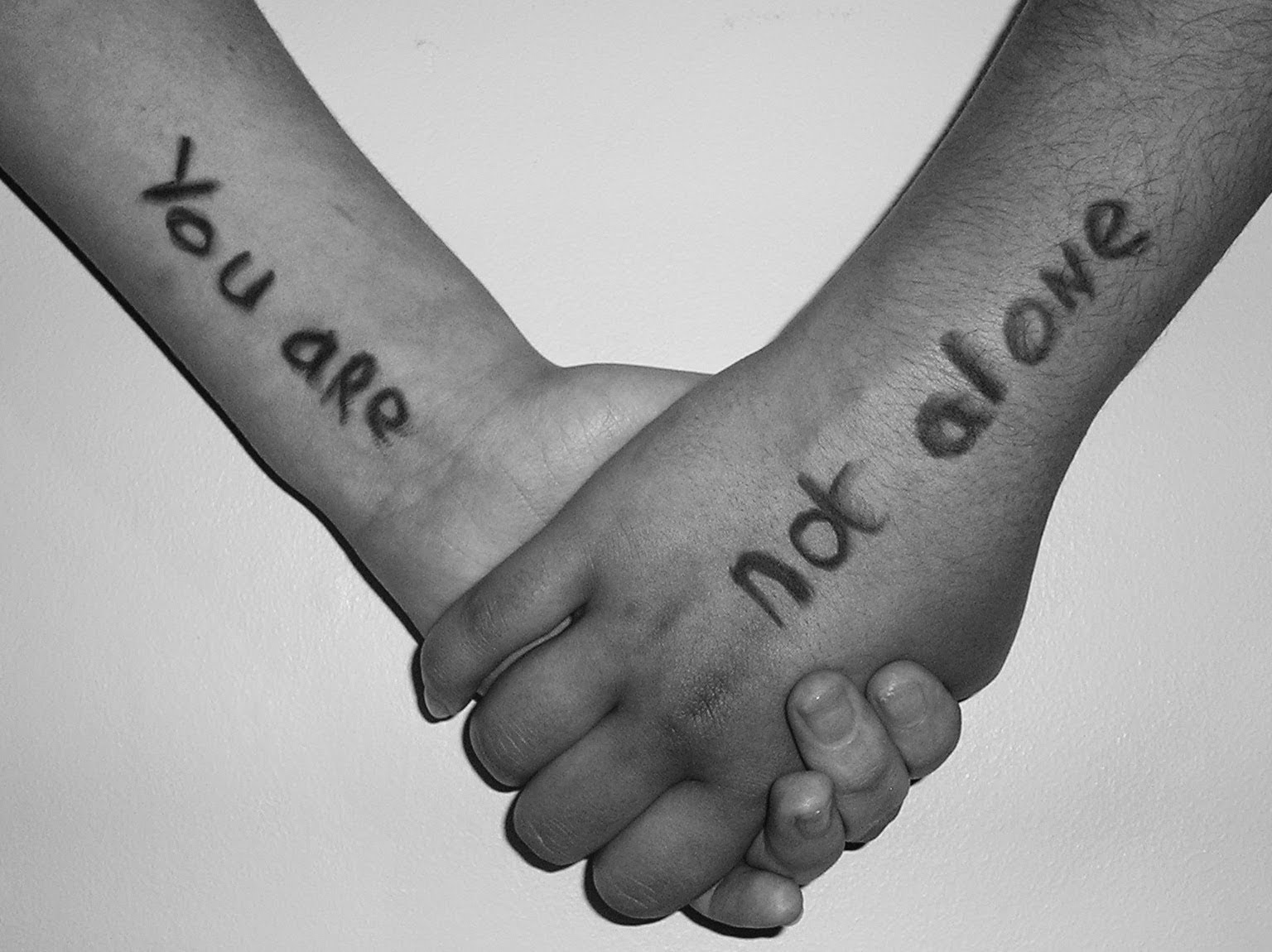
You were hurt in isolation. You don’t have to heal alone.
Why Gentle Tools Work Better Than Harsh Discipline
If you’ve survived emotional abuse, your nervous system already endured pressure, control, and criticism.
Harsh self-improvement strategies can feel like more of the same.
Gentle tools work because they:
- Build safety
- Increase self-trust
- Reconnect mind and body
- Restore emotional stability gradually
Emotional regulation after trauma is not about becoming emotionless.
It’s about becoming steady.
And steadiness is possible.
If You’re In the Middle of Emotional Dysregulation Right Now
Pause.
Place your hand over your heart.
Take one slow breath.
You are not broken.
Your body learned to survive.
Now it’s learning to feel safe again.
And that is holy work.
Schedule a Free Discovery Call
Faith-Based Life Coaching for Women Survivors of Abuse