
Coercive Control Relationships
15 Hidden Signs of Emotional Abuse Every Woman Should Know
Many women believe abuse only involves bruises, broken bones, or physical violence. But some of the deepest wounds are invisible.
Coercive control relationships slowly erode a woman’s confidence, independence, and sense of reality through manipulation rather than physical force. Often, the abuse is so subtle that it becomes difficult to recognize until years have passed.
If you’ve ever found yourself questioning your own judgment, walking on eggshells, or feeling like you’ve lost yourself, you may have experienced coercive control.
The good news is this: recognizing it is the first step toward healing.
What Is a Coercive Control Relationship?
A coercive control relationship is one in which one partner systematically uses manipulation, intimidation, isolation, and psychological tactics to dominate the other person.
Unlike isolated arguments or occasional unhealthy behavior, coercive control is a consistent pattern designed to gain and maintain power.
The goal isn’t simply to win disagreements.
The goal is control.
Over time, the abusive partner creates an environment where the victim begins to doubt herself, relies more heavily on the abuser, and gradually loses her independence.
Why Coercive Control Is So Difficult to Recognize
Most abusive relationships don’t begin with obvious cruelty.
Instead, they often begin with excessive affection, attention, and promises of forever.
As the relationship progresses, the controlling behaviors become increasingly normalized.
You may think:
- “He’s just protective.”
- “He worries because he loves me.”
- “Maybe I’m too sensitive.”
- “Perhaps I really am the problem.”
These thoughts are exactly what coercive control is designed to produce.
15 Signs of a Coercive Control Relationship
1. He Monitors Everything You Do
He constantly wants to know:
- Where you are
- Who you’re with
- What you’re doing
- How long you’ll be gone
At first, it may seem caring.
Eventually, it feels like surveillance.
2. You Walk on Eggshells
You carefully choose your words because you’re afraid of upsetting him.
You begin anticipating his moods rather than expressing your own needs.
3. He Isolates You from Friends and Family
Isolation rarely happens overnight.
Instead, he may:
- Criticize your loved ones
- Create conflict before family gatherings
- Guilt you for spending time with others
- Make visiting people emotionally exhausting
Eventually, staying home becomes easier.
4. He Controls the Money
Financial control may include:
- Monitoring purchases
- Restricting access to bank accounts
- Requiring permission to spend money
- Preventing employment
- Hiding financial information
Financial dependence often makes leaving much more difficult.
5. He Constantly Criticizes You
Nothing seems good enough.
He criticizes:
- Your appearance
- Parenting
- Intelligence
- Personality
- Spiritual life
- Housekeeping
- Career
Over time, confidence disappears.
6. He Uses Gaslighting
Gaslighting causes you to question your own memory and reality.
He might say:
- “That never happened.”
- “You’re imagining things.”
- “You’re crazy.”
- “You’re too emotional.”
Eventually, you stop trusting yourself.
7. He Punishes You with Silence
The silent treatment isn’t about needing space.
It’s used as punishment.
You become desperate to restore peace, often apologizing for things you didn’t do.
8. Everything Becomes Your Fault
Healthy relationships accept mutual responsibility.
Coercive control places blame on one person.
No matter what happens, somehow it becomes your fault.
9. He Makes the Rules, but Doesn't Follow Them
You must explain yourself.
He doesn’t.
You’re expected to remain faithful, accountable, and transparent while he enjoys complete freedom.
10. He Uses Children as Leverage
Children may become tools for manipulation through:
- Threats
- Parental alienation
- Custody intimidation
Undermining your parenting
11. Your Needs Never Matter
Your dreams, interests, and emotions slowly disappear beneath the constant effort to keep him happy.
12. He Alternates Between Kindness and Cruelty
This creates confusion.
After hurtful behavior comes affection.
Then criticism returns.
The cycle keeps you hoping the loving version will stay.
13. You Feel Like You've Lost Yourself
Many survivors describe looking in the mirror and barely recognizing the woman staring back.
The confident person they once knew seems gone.
14. You're Constantly Seeking His Approval
You measure your day by whether he’s pleased.
His opinion becomes more important than your own.
15. Leaving Feels Impossible
Many women ask:
“If it’s so bad, why couldn’t I leave?”
Because coercive control creates emotional, financial, psychological, and sometimes spiritual dependence.
Leaving isn’t simply walking away.
It’s breaking free from years of conditioning.
The Emotional Impact of Coercive Control
Living under constant control changes how the brain responds to stress.
Many survivors experience:
- Anxiety
- Depression
- Chronic self-doubt
- Hypervigilance
- Difficulty making decisions
- Shame
- Fear of disappointing others
These responses are not signs of weakness.
They are common reactions to prolonged emotional abuse.
Can Healing Happen?
Yes.
Healing doesn’t happen overnight, but it does happen.
Recovery begins when you realize:
- You are not imagining the abuse.
- Your feelings are valid.
- You deserve respect.
- Healthy love does not require fear.
- Your identity can be rebuilt.
Each small step toward safety and truth helps restore what coercive control tried to take away.
A Word of Hope
One of the greatest lies coercive control tells is that you are powerless.
You are not.
Your voice matters.
Your story matters.
Your healing matters.
Whether you’re still in the relationship or rebuilding your life afterward, there is hope.
Freedom begins with recognizing the truth.
And every step toward truth is a step toward healing.
Final Thoughts
Coercive control relationships often leave invisible scars that others cannot see. Yet emotional abuse can be just as damaging as physical violence.
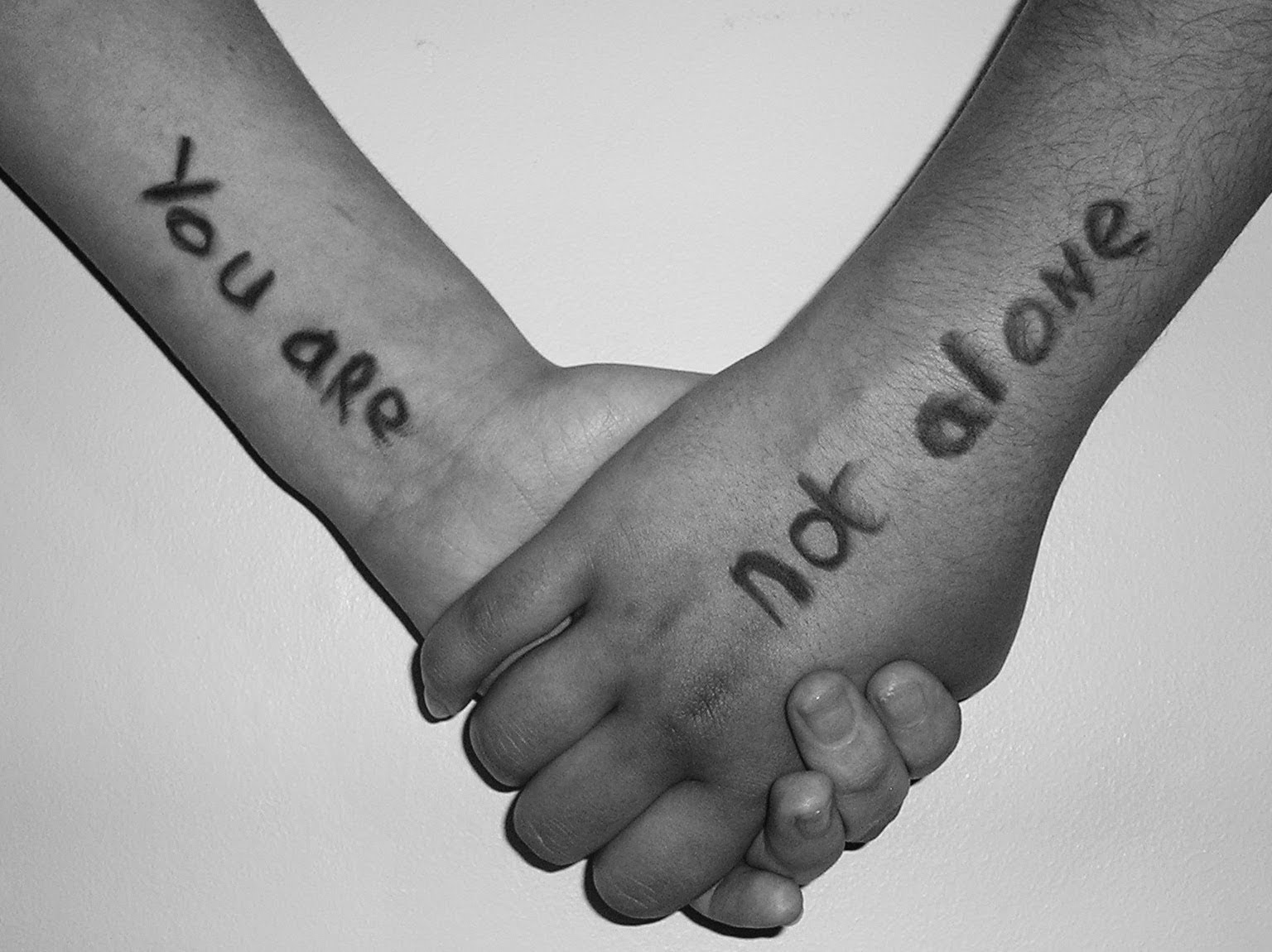
If this article resonated with you, know that you are not alone. Awareness is the beginning of freedom, and healing is possible. With support, healthy boundaries, and time, you can rediscover the woman you were created to be.
Frequently Asked Questions
What is coercive control in a relationship?
Coercive control is a pattern of emotional, psychological, financial, or social abuse used by one partner to dominate and control the other over time.
Is coercive control considered abuse?
Yes. Even without physical violence, coercive control is a form of domestic abuse that can have serious emotional and psychological effects.
Can someone experience coercive control without physical abuse?
Absolutely. Many survivors endure years of coercive control without ever being physically assaulted, yet the emotional harm can be profound.
How do I begin healing from coercive control?
Healing often starts with recognizing the abuse, seeking support from trusted people or professionals, rebuilding your sense of self, and creating a plan that prioritizes your safety and well-being.
Schedule a Free Discovery Call
Faith-Based Life Coaching for Women Survivors of Abuse