
Finding Yourself Again After Emotional Abuse
Introduction: When You Don’t Recognize Yourself Anymore
After emotional abuse, one of the most painful realizations isn’t just what happened, it’s who you became in order to survive it.
You may feel disconnected from yourself.
You may question your thoughts, your worth, even your identity.
And quietly, a question lingers:
“Who am I now?”
If this is where you are, you’re not broken, you’re healing.
Finding yourself again after emotional abuse is not about becoming someone new.
It’s about returning to who God created you to be, before the confusion, fear, and control took hold.
What Emotional Abuse Does to Your Identity
Emotional abuse doesn’t just hurt your feelings, it reshapes how you see yourself.
Over time, you may have been:
- Constantly criticized or made to feel “not enough”
- Blamed for things that weren’t your fault
- Gaslit into doubting your own reality
- Conditioned to prioritize someone else’s needs over your own
This creates a survival version of you, one that:
- Walks on eggshells
- Overthinks everything
- Seeks approval to feel safe
- Suppresses your true thoughts and feelings
You didn’t lose yourself randomly, you adapted to survive.
Why It Feels So Hard to “Find Yourself” Again
Why It Feels So Hard to “Find Yourself” Again
Many survivors feel frustrated because they expect clarity to come quickly.
But the truth is:
You’re not just rediscovering yourself; you’re unlearning who you had to become.
That takes time.
You may feel:
- Confused about what you like or want
- Afraid to trust your own decisions
- Guilty for choosing yourself
- Emotionally numb or disconnected
This isn’t failure, it’s your nervous system learning that it’s finally safe.
5 Gentle Steps to Finding Yourself Again
1. Start with Safety, Not Pressure
You don’t need to “figure everything out” right now.
Healing begins when your mind and body feel safe enough to explore again.
Ask yourself:
- What helps me feel calm right now?
- Where do I feel most at peace?
Start there.
2. Reconnect with Your Voice
Emotional abuse often silences your inner voice.
Begin rebuilding it through small, intentional choices:
- What do you want to eat?
- What do you enjoy?
- What feels right to you?
Even if the answers feel unclear, the act of asking matters.
3. Release the Lies You Were Taught
Abuse plants false beliefs like:
- “I’m too much”
- “I’m not enough”
- “Everything is my fault”
These are not truth, they are wounds.
Replace them with truth rooted in faith:
- You are worthy
- You are seen
- You are deeply loved by God
Healing happens when truth replaces distortion.
4. Allow Yourself to Change
You may not go back to who you were before, and that’s okay.
You are allowed to become:
- Stronger
- More discerning
- More grounded in your boundaries
This isn’t loss.
This is transformation.
5. Invite God into Your Healing
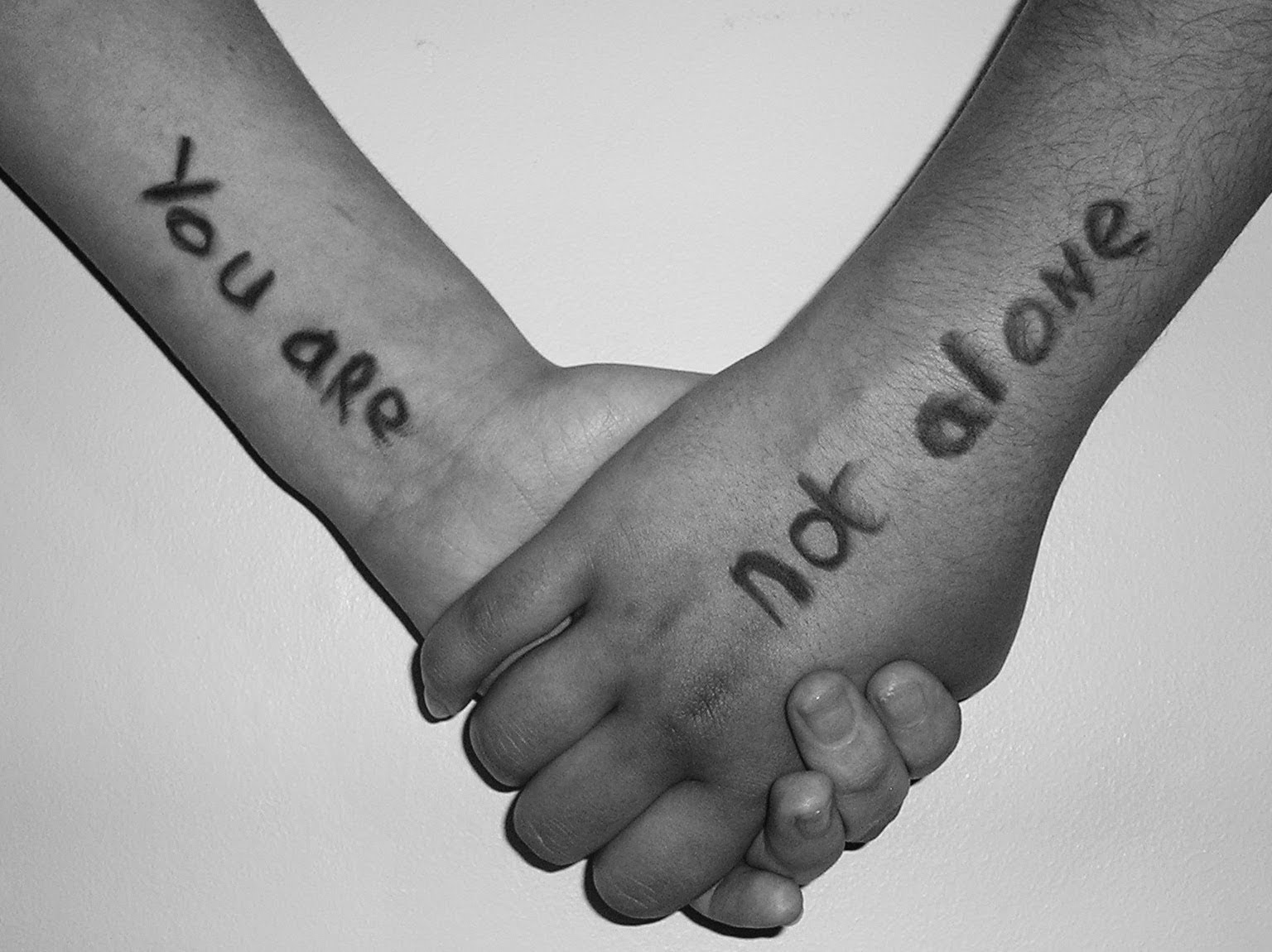
If your faith was affected by abuse, you are not alone.
Many survivors struggle to trust again, especially if scripture was misused against them.
But God is not like your abuser.
He does not:
- Control
- Manipulate
- Shame
He restores.
“He restores my soul.” – Psalm 23:3
Let your healing be slow, honest, and real.
God meets you there, not in perfection, but in truth.
Signs You’re Finding Yourself Again
Healing is subtle at first. But over time, you may notice:
- You trust your instincts more
- You say “no” without as much guilt
- You feel moments of peace again
- You start to recognize what you like and dislike
- You no longer feel responsible for everyone else’s emotions
These are not small things.
These are signs of restoration.
You Are Still in There
The version of you that existed before the abuse?
She’s not gone.
She’s still within you, waiting to be heard, seen, and nurtured again.
And as you heal, you won’t just find yourself.
You will rediscover your worth, your voice, and your God-given identity.
Conclusion: Healing Is a Return, not a Race
Finding yourself again after emotional abuse is not about rushing forward.
It’s about gently coming home to yourself.
Step by step.
Truth by truth.
With God walking beside you.
Schedule a Free Discovery Call
Faith-Based Life Coaching for Women Survivors of Abuse