Rebuilding Self-Esteem After Abuse:
Where Healing Begins
Introduction: When Abuse Steals Your Sense of Self
Rebuilding self-esteem after abuse can feel overwhelming, especially when your confidence has been slowly worn down through emotional, psychological, or narcissistic abuse.
You may find yourself questioning your worth, doubting your decisions, or feeling like you’ve lost who you once were.
If this is where you are, please hear this truth:
Your identity was never defined by what you endured. And healing, real, lasting healing, can begin right here.
How Abuse Damages Self-Esteem
Abuse doesn’t just hurt in the moment; it reshapes how you see yourself.
Over time, you may have experienced:
- Constant criticism or belittling
- Gaslighting that made you doubt your reality
- Control that stripped away your independence
- Emotional neglect that left you feeling invisible
These patterns can lead to:
- Low self-worth
- Chronic self-doubt
- Fear of making decisions
- Feeling “not good enough”
This isn’t because you’re weak.
It’s because abuse is designed to break down your identity.
Why Rebuilding Self-Esteem Feels So Hard
Many survivors feel frustrated when confidence doesn’t immediately return after leaving.
Here’s why:
- Your nervous system is still in survival mode
- You’ve been conditioned to prioritize others over yourself
- Your inner voice may sound like your abuser
Healing isn’t just about “thinking positively.”
It’s about gently retraining your mind, body, and spirit to feel safe again.
Where Healing Begins: Rebuilding Self-Esteem Step by Step
1. Start With Truth, Not Feelings
After abuse, your feelings may tell you:
- “I’m not worthy”
- “I’m too broken”
- “I’ll never be the same”
But feelings shaped by trauma are not always truth.
Replace lies with truth:
- I am worthy of love and respect
- My voice matters
- God did not create me to be diminished
Healing begins when truth becomes louder than the lies.
2. Reconnect With Your Identity
Abuse often causes you to lose touch with who you are.
Start asking:
- What do I enjoy?
- What matters to me?
- What makes me feel like me?
Even small acts, choosing what you like, expressing your opinion, are powerful steps toward rebuilding your identity.
3. Practice Self-Compassion (Not Self-Criticism)
You may be used to being hard on yourself. That voice didn’t come from nowhere, it was learned.
Try replacing:
- “Why am I like this?”
with - “I’m healing, and that takes time.”
Speak to yourself the way God speaks to you, with patience, kindness, and truth.
4. Set Safe, Healthy Boundaries
Boundaries are essential for rebuilding self-esteem.
Every time you say:
- “No”
- “That doesn’t work for me”
- “I deserve respect”
You reinforce your worth.
Boundaries are not selfish; they are a declaration of your value.
5. Surround Yourself with Safe, Supportive People
Healing accelerates in safe environments.
Look for people who:
- Listen without judgment
- Respect your boundaries
- Encourage your growth
You deserve relationships that reflect truth, not harm.
6. Invite God into Your Healing Process
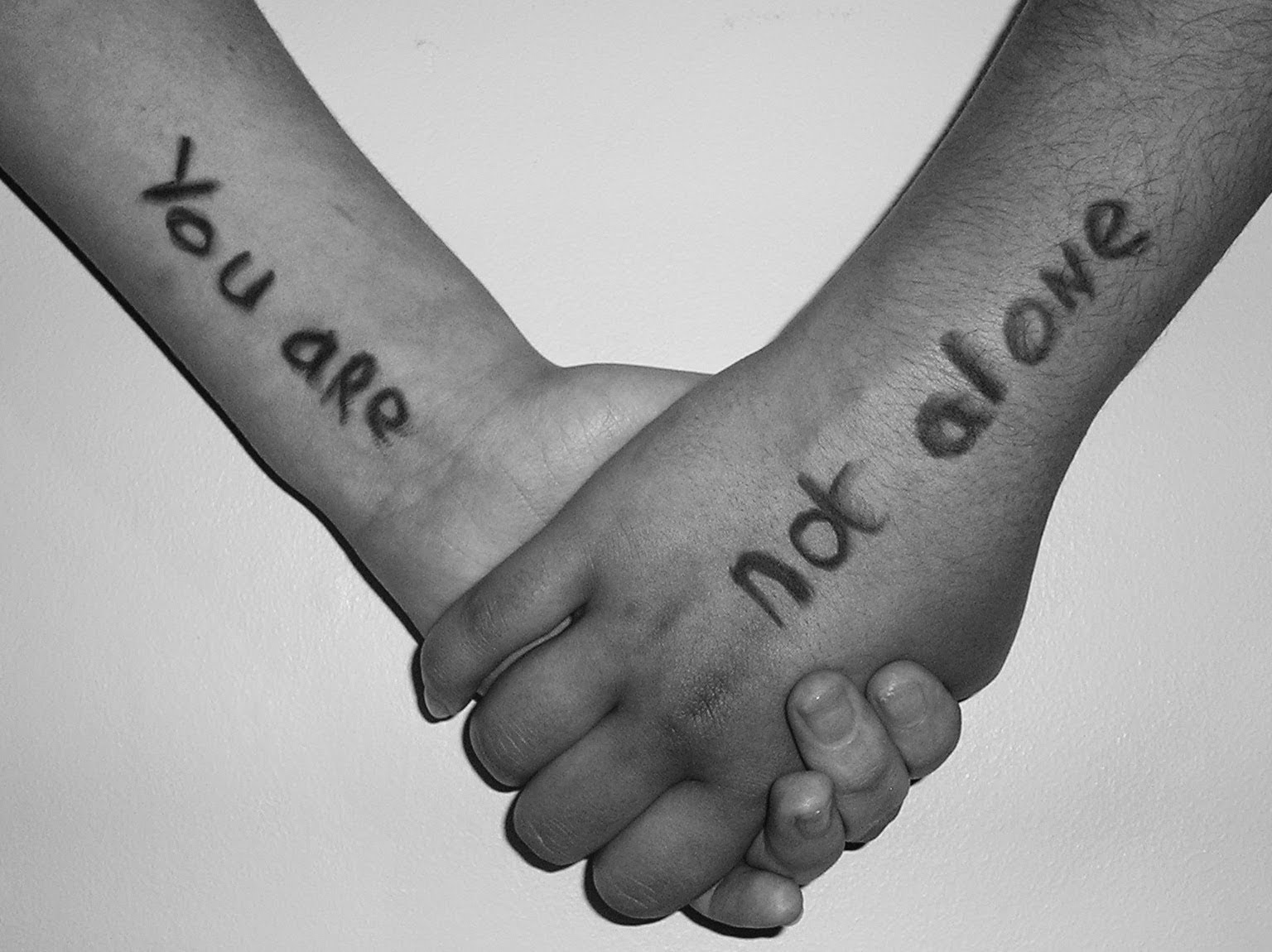
If your faith feels broken after abuse, you are not alone.
But God is not like your abuser.
He is:
- Gentle, not controlling
- Loving, not condemning
- Restorative, not destructive
Scripture reminds us:
“You are fearfully and wonderfully made.” — Psalm 139:14
Your worth was established by God, not erased by abuse.
What Rebuilding Self-Esteem Really Looks Like
Healing doesn’t happen all at once.
It looks like:
- Speaking up when you used to stay silent
- Trusting yourself a little more each day
- Letting go of shame that was never yours to carry
- Beginning to believe I am enough
Some days will feel strong. Others won’t.
Both are part of healing.
A Gentle Reminder for Your Journey
You are not starting from nothing.
You are rebuilding from strength that carried you through.
The fact that you’re here, seeking healing, means:
Your self-worth is not gone. It’s waiting to be restored.
Conclusion: Healing Begins with One Truth
Rebuilding self-esteem after abuse doesn’t require perfection.
It begins with one small, powerful step:
Choosing to believe that your life, your voice, and your healing matter.
And they do.
Schedule a Free Discovery Call
Faith-Based Life Coaching for Women Survivors of Abuse