
Why Narcissistic Abuse Leaves You Questioning Everything
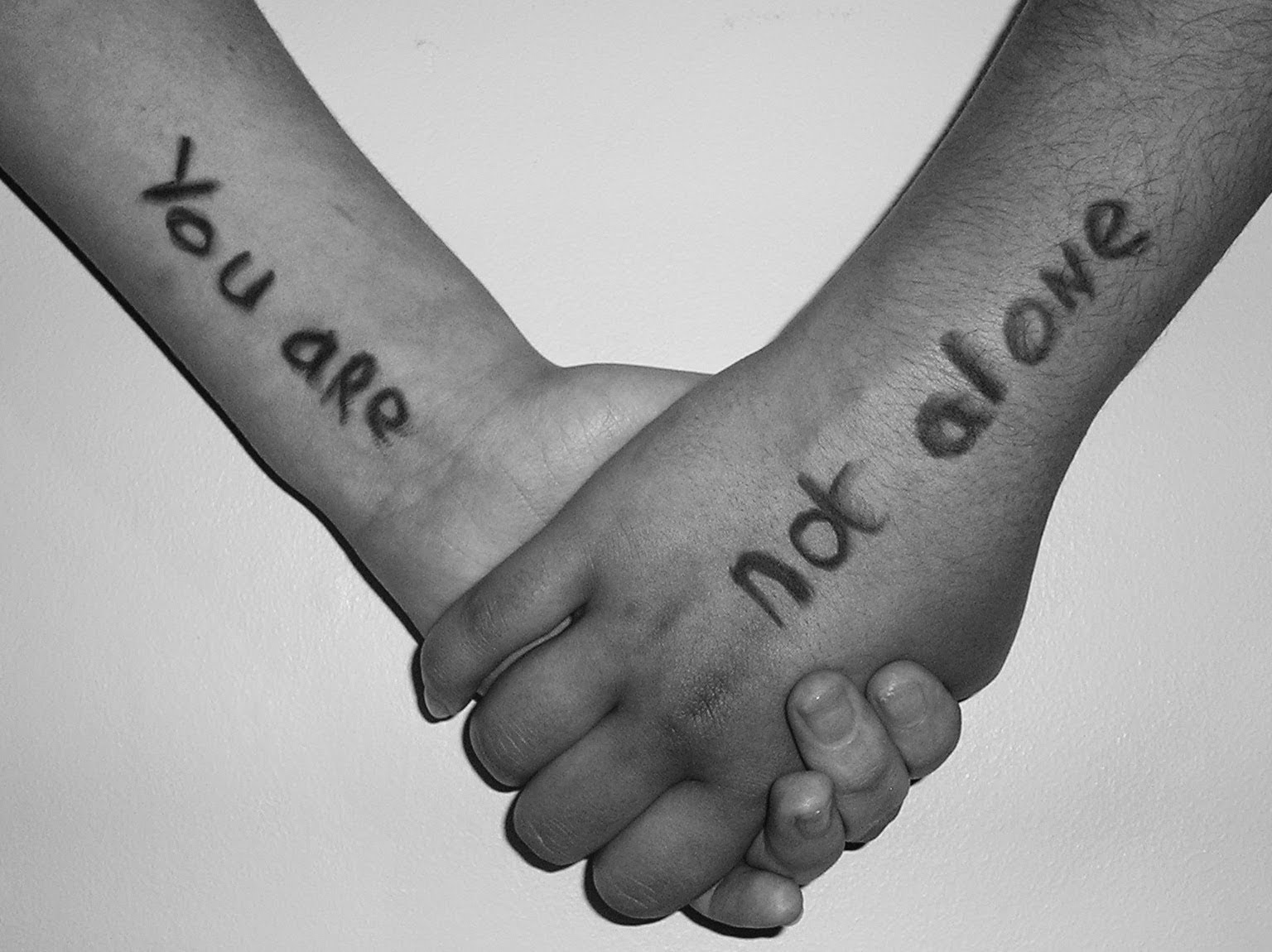
If you’ve walked away from a narcissistic relationship and now find yourself questioning your thoughts, your memories, your decisions, even your faith you are not alone.
Many women who have experienced narcissistic abuse say the same thing:
“I don’t trust myself anymore.”
This isn’t a personal failure. It’s the result of intentional psychological manipulation that slowly disconnects you from your inner truth.
In this article, we’ll unpack why narcissistic abuse leaves you questioning everything, what’s happening in your mind and body, and how you can begin rebuilding clarity, confidence, and self-trust.
What Is Narcissistic Abuse?
Narcissistic abuse is a pattern of emotional and psychological manipulation used to control, confuse, and dominate another person. It often includes:
- Gaslighting (making you doubt your reality)
- Blame-shifting (everything becomes your fault)
- Emotional invalidation (your feelings are dismissed or minimized)
- Silent treatment or withdrawal
- Love bombing followed by devaluation
- Coercive control
Over time, these behaviors don’t just hurt you they reshape how you see yourself and the world around you.
Why You Feel Like You Can’t Trust Yourself Anymore
1. Gaslighting Distorts Your Reality
Gaslighting is one of the most damaging aspects of narcissistic abuse.
You may have heard things like:
- “That never happened.”
- “You’re overreacting.”
- “You’re too sensitive.”
Over time, this creates deep confusion. You begin to question:
- Did that really happen?
- Am I remembering this wrong?
- Am I the problem?
Eventually, your internal compass becomes unreliable not because it is broken, but because it has been constantly challenged and overridden.
2. You Were Conditioned to Doubt Your Emotions
In a narcissistic relationship, your feelings are often dismissed or criticized.
You may have been made to feel:
- “Too emotional”
- “Too needy”
- “Too dramatic”
So you learned to suppress your instincts.
But your emotions were never the problem. They were signals and those signals were repeatedly ignored or invalidated.
Now, even after leaving, you might hesitate to trust what you feel.
3. Chronic Confusion Becomes Your Normal
Narcissistic abuse often creates a cycle of:
- Kindness → cruelty → apology → repeat
This unpredictability keeps you emotionally off-balance.
Your brain is constantly trying to make sense of mixed signals:
- They said they love me, but they hurt me.
- They apologized, but nothing changed.
This mental overload leads to cognitive dissonance, a state where two conflicting realities exist at once.
The result? You feel stuck, unsure, and mentally exhausted.
4. Your Identity Was Slowly Eroded
Over time, narcissistic abuse chips away at who you are.
You may have:
- Stopped expressing your opinions
- Walked on eggshells to avoid conflict
- Lost confidence in your decisions
- Forgotten what you actually want or need
When your identity is suppressed long enough, you can begin to feel like a stranger to yourself.
So, when the relationship ends, the question becomes:
“Who am I without them?”
5. Trauma Impacts Your Brain and Nervous System
This isn’t just emotional, it’s neurological.
Narcissistic abuse can dysregulate your nervous system, leaving you in a constant state of:
- Anxiety
- Hypervigilance
- Self-doubt
- Fear of making the “wrong” decision
Your brain has been trained to anticipate danger and second-guess everything to stay safe.
So when you struggle to trust yourself, it’s not weakness, it’s a trauma response.
Why This Can Affect Your Faith Too
For many women, narcissistic abuse doesn’t just shake their confidence, it shakes their faith.
You might find yourself asking:
- God, how did I not see this?
- Why did You allow this?
- Can I trust my discernment again?
When someone manipulates truth in your life, it can make it harder to recognize truth spiritually.
But here is what’s important to remember:
God is not the author of confusion.
The confusion you feel is not a reflection of your failure it’s a result of what you’ve been through.
Healing includes gently learning to separate:
- The voice of manipulation from the voice of truth
How to Start Rebuilding Trust in Yourself
Healing doesn’t happen overnight, but it is possible. Here are gentle, practical steps to begin restoring self-trust:
1. Validate Your Experience
What you went through was real.
You don’t need someone else to confirm it for it to be true.
Start by reminding yourself:
- My feelings are valid.
- My experiences matter.
- I am allowed to trust myself again.
2. Reconnect With Your Emotions Safely
Instead of dismissing your feelings, begin to notice them without judgment.
Ask yourself:
- What am I feeling right now?
- Where do I feel it in my body?
This helps rebuild the connection between your mind and your inner signals.
3. Start Making Small, Safe Decisions
Self-trust is rebuilt through action.
Start small:
- What do I want to eat today?
- What feels restful right now?
- What boundary do I need?
Each decision reinforces:
“I can trust myself.”
4. Limit Voices That Create Confusion
If possible, reduce exposure to:
- The abusive person
- People who invalidate your experience
Clarity grows in safe, supportive environments.
5. Renew Your Mind With Truth
Part of healing is replacing lies with truth.
Where you were told:
- “You’re too much” → You are worthy and valuable
- “It’s your fault” → You are not responsible for their behavior
From a faith perspective, grounding yourself in God’s truth can be incredibly healing.
6. Give Yourself Time
You are not behind.
You are healing from something that was designed to confuse you.
Clarity returns gradually, not all at once.
You Are Not Broken—You Were Conditioned
If narcissistic abuse has left you questioning everything, it doesn’t mean you’ve lost yourself forever.
It means you adapted to survive.
Now, you get to relearn safety, rebuild trust, and rediscover your voice, one step at a time.
Final Encouragement
You are allowed to trust yourself again.
You are allowed to feel clarity again.
You are allowed to heal.
And most importantly:
You are not who the abuser tried to convince you that you were.
Schedule a Free Discovery Call
Faith-Based Life Coaching for Women Survivors of Abuse