
Narcissistic Abuse Recovery:
Why You Feel Empty After Leaving
Leaving a narcissistic relationship is often portrayed as the moment everything finally gets better. Many survivors imagine that once they escape the manipulation, gaslighting, and emotional control, relief will immediately follow.
But for many women, something very different happens.
Instead of freedom and joy, they feel strangely empty.
There may be numbness, confusion, emotional exhaustion, or a deep sense that something inside is missing. Some survivors even wonder if they made the wrong decision because they expected relief but instead feel lost.
If this is your experience, please know this: feeling empty after leaving narcissistic abuse is extremely common and it does not mean you are broken.
It is actually a natural part of narcissistic abuse recovery.
Understanding why this happens can help you approach your healing journey with compassion for yourself instead of confusion or shame
The Emotional Crash After Leaving Abuse
For months or years, your body and mind were living in survival mode.
In narcissistic relationships, your nervous system is constantly reacting to unpredictable behavior criticism, manipulation, emotional withdrawal, or sudden affection. This cycle keeps you in a state of chronic stress and hypervigilance.
When you finally leave, the constant stress stops.
But instead of immediate relief, your body often crashes from exhaustion.
The adrenaline that once kept you functioning fades, leaving behind fatigue, emotional numbness, and emptiness. Your mind may struggle to process what happened, and your nervous system may need significant time to recalibrate.
What feels like emptiness is often your body beginning to come out of survival mode.
Trauma Bonds Take Time to Break
Another reason many survivors feel empty is something called trauma bonding.
Narcissistic relationships are built on powerful emotional cycles:
- Love bombing
- Devaluation
- Emotional withdrawal
- Reconciliation
These cycles create a powerful psychological attachment that can feel similar to addiction. Your brain becomes conditioned to seek the moments of approval or affection that come after periods of mistreatment.
Even when the relationship is deeply harmful, your brain still craves those moments of relief and connection.
When the relationship ends, the brain experiences something similar to withdrawal.
This can create feelings such as:
- Emotional numbness
- Longing for the person who hurt you
- Confusion about your decision to leave
- Deep sadness or emptiness
These feelings do not mean you want the abuse back. They simply mean your brain is healing from a powerful psychological bond.
Narcissistic Abuse Often Destroys Your Sense of Identity
One of the most devastating effects of narcissistic abuse is the slow erosion of your identity.
Over time, survivors are often conditioned to:
- Question their own perceptions
- Minimize their needs
- Walk on eggshells to avoid conflict
- Prioritize the abuser’s emotions above their own
Gradually, many women lose touch with their preferences, desires, and even their personality.
When the relationship ends, survivors may realize something unsettling:
They no longer know who they are.
This identity loss can create a deep sense of emptiness because so much of your emotional energy was focused on surviving the relationship.
Recovery involves rediscovering the person you were always meant to be.
Grieving the Relationship You Hoped For
Another painful reality of narcissistic abuse recovery is grief.
You are not only grieving the relationship that existed. You are also grieving the relationship you hoped would exist.
Many survivors held onto hope that the person they loved would eventually change—that the loving version of them would come back permanently.
Letting go of that hope can create profound grief.
This grief may include:
- Mourning the future you imagined
- Mourning the love you tried so hard to give
- Mourning the time and energy invested in the relationship
Grief often creates emotional emptiness because your heart is processing deep loss.
But grief is also a sign that your heart is healing.
Emotional Numbness Is a Trauma Response
Some survivors feel almost nothing at all after leaving.
Instead of sadness or anger, they feel detached from their emotions, their surroundings, and sometimes even from themselves.
This is known as emotional numbness, and it is a common trauma response.
Your mind may temporarily shut down emotional processing as a way to protect you from becoming overwhelmed.
This numbness is not permanent.
As safety slowly returns to your life, your emotions will gradually begin to come back online.
Faith After Narcissistic Abuse
For Christian women, narcissistic abuse can also affect their relationship with God.
Many survivors struggle with questions like:
- Why did God allow this to happen?
- Did I miss something spiritually?
- Can I trust God again after everything I’ve been through?
These questions are deeply human.
But it’s important to remember something powerful:
God was never the source of your abuse.
Abuse is the result of human brokenness and misuse of power not God’s design for relationships.
Scripture repeatedly shows God’s heart for the wounded and oppressed. He is close to those who have been hurt and invites them into restoration.
Healing your faith after trauma often involves rediscovering who God truly is apart from what someone else did in His name.
The Emptiness Is Not the End of Your Story
The emptiness you feel now does not mean your life will always feel this way.
In many ways, this emptiness is the clearing of space.
Space where:
- Your identity can be rebuilt
- Your nervous system can heal
- Your boundaries can strengthen
- Your relationship with God can deepen
Narcissistic abuse recovery is not simply about leaving a toxic relationship. It is about reclaiming your life.
And while that journey takes time, it also leads to profound transformation.
Gentle Steps Toward Healing
If you are currently feeling empty after leaving narcissistic abuse, here are a few gentle reminders for your healing journey:
- Give yourself permission to grieve.
You experienced real loss, even if the relationship was harmful. - Focus on nervous system healing.
Rest, slow routines, and emotional safety are crucial after prolonged stress. - Reconnect with your identity.
Small choices—what you enjoy, what you believe, what brings you peace—help rebuild your sense of self. - Seek safe support.
Healing often happens faster when survivors are surrounded by understanding voices. - Invite God into your healing process.
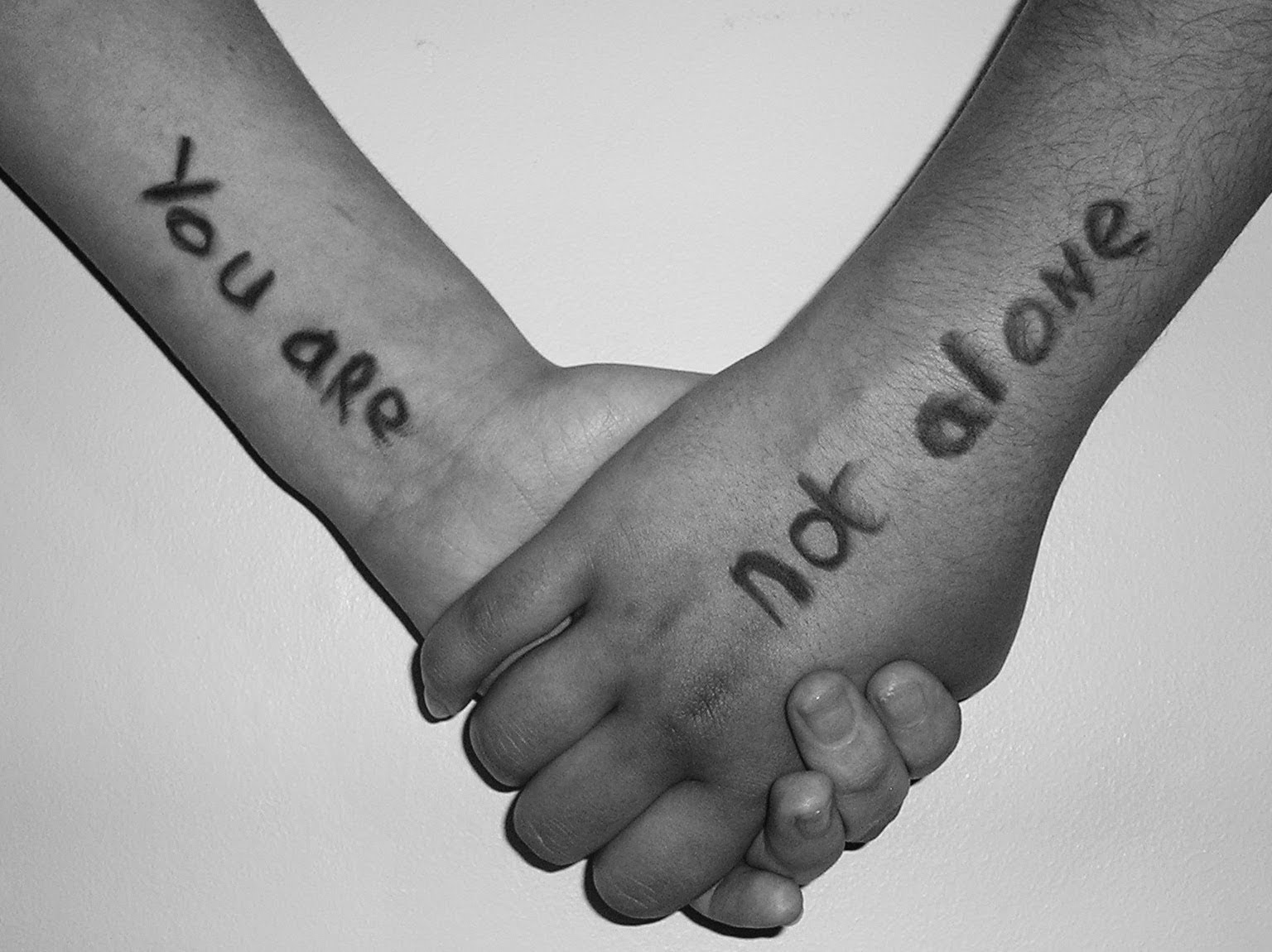
You do not have to navigate recovery alone.
You Are Not Broken—You Are Healing
The emptiness you feel today is not a sign that something is wrong with you.
It is a sign that your heart, mind, and body are recovering from profound emotional injury.
Healing from narcissistic abuse is not linear. Some days will feel hopeful, while others may feel heavy. But with time, compassion, and support, the emptiness will slowly be replaced with something new.
Clarity.
Strength.
Peace.
And eventually, a renewed sense of the woman God created you to be.
Schedule a Free Discovery Call
Faith-Based Life Coaching for Women Survivors of Abuse