
Trusting God Again After Abuse Feels Impossible
Here’s Why
When Faith Feels Complicated After Abuse
If trusting God again feels impossible after abuse, you are not a bad Christian.
You are a wounded one.
Many women who survive emotional, psychological, or spiritual abuse find that their relationship with God feels strained afterward. You may still believe in Him but you don’t feel safe with Him.
You may wonder:
- If God loves me, why did He allow this?
- Did I misunderstand His voice?
- Was I praying wrong?
- Can I even trust myself spiritually anymore?
These are not signs of rebellion.
They are signs of trauma.
The Bible reminds us in Psalm 34:18 that the Lord is close to the brokenhearted. But when your heart is broken by abuse, closeness can feel confusing instead of comforting.
Let’s talk about why trusting God after abuse feels so hard and why that struggle makes sense.
1. Abuse Shatters Your Sense of Safety
Trauma rewires your nervous system.
When you’ve lived in survival mode walking on eggshells, anticipating moods, bracing for criticism, your body learns that nowhere is safe.
Trust requires safety.
And abuse destroys safety.
If your earthly relationship felt unpredictable or controlling, your brain may now associate authority with danger. That can spill into your relationship with God, especially if you were taught to fear Him rather than know Him.
Your struggle isn’t spiritual failure.
It’s trauma response.
2. Spiritual Language May Have Been Used Against You
For many Christian women, abuse was intertwined with faith.
Maybe you were told:
- “God hates divorce.”
- “Submit more.”
- “Pray harder.”
- “Forgive and forget.”
- “You’re overreacting.”
When Scripture is misused to silence you, it creates spiritual confusion. You may begin to question whether God’s voice sounds like your abuser’s.
But manipulation wrapped in Bible verses is still manipulation.
God’s heart does not resemble coercion.
3. You Were Conditioned to Doubt Yourself
Gaslighting is common in emotional and psychological abuse.
Over time, you may have been told:
- “That never happened.”
- “You’re too sensitive.”
- “You’re imagining things.”
When your reality is repeatedly denied, your internal compass weakens.
So when you try to hear God again, you may think:
What if I’m wrong? What if I can’t discern truth anymore?
This isn’t a faith issue.
It’s a confidence wound.
Healing your ability to trust God often begins with rebuilding trust in your own perception.
4. You Confused Endurance with Faithfulness
Many survivors believed staying was proof of strong faith.
You prayed harder.
You forgave longer.
You endured more.
And when things didn’t improve, you may have felt betrayed by your spouse, by your church community, and even by God.
But enduring abuse is not the same as honoring God.
God does not require you to tolerate harm to prove devotion.
5. Trauma Impacts Your Ability to Feel God’s Presence
Trauma affects your brain, body, and spirit.
When your nervous system is dysregulated, prayer may feel empty. Worship may feel distant. Scripture may feel flat.
That doesn’t mean God left.
It means your body is healing.
Spiritual numbness is often a protective response. Over time, as safety is rebuilt, connection can return.
Rebuilding Faith After Abuse (Gently, Not Forcefully)
If trusting God after emotional abuse feels impossible, here are gentle steps forward:
1. Separate God’s Character from Human Behavior
God is not your abuser.
God is not the misused sermon.
God is not the silencing voice.
2. Allow Honest Lament
The book of Lamentations exists for a reason. So do the cries of David in Psalms.
God can handle your anger and questions.
3. Regulate Before You Theologize
Calm your body before trying to solve spiritual confusion. Trauma-informed care and nervous system work support faith healing.
4. Rebuild Trust in Yourself
As you learn to trust your intuition and boundaries again, trusting God becomes less threatening.
5. Seek Safe Spiritual Community
Not all churches understand abuse dynamics. Find leaders who are trauma-informed and compassionate.
You Are Not Failing at Faith
If you are struggling with trusting God after abuse, hear this clearly:
You are not spiritually weak.
You are healing from betrayal and trauma.
Faith after emotional abuse looks different for a season. It may be quieter. Slower. More honest.
And that honesty?
That’s sacred.
God is not offended by your questions. He is near to your pain — even when you can’t feel Him.
A Gentle Prayer for the Woman Who Can’t Trust Yet
Lord,
I want to trust You, but I’m scared.
I don’t understand what happened.
I don’t understand why You allowed it.
Help me separate You from the harm I experienced.
Meet me in my confusion.
Heal my nervous system.
Restore my ability to feel safe with You again.
If I cannot trust fully today, hold me anyway.
Amen.
Final Encouragement
Trust isn’t rebuilt overnight in relationships or in faith.
But healing is possible.
If trusting God again after abuse feels impossible, that doesn’t mean it will always feel that way.
It means your heart needs time.
And time, in God’s hands, becomes restoration.
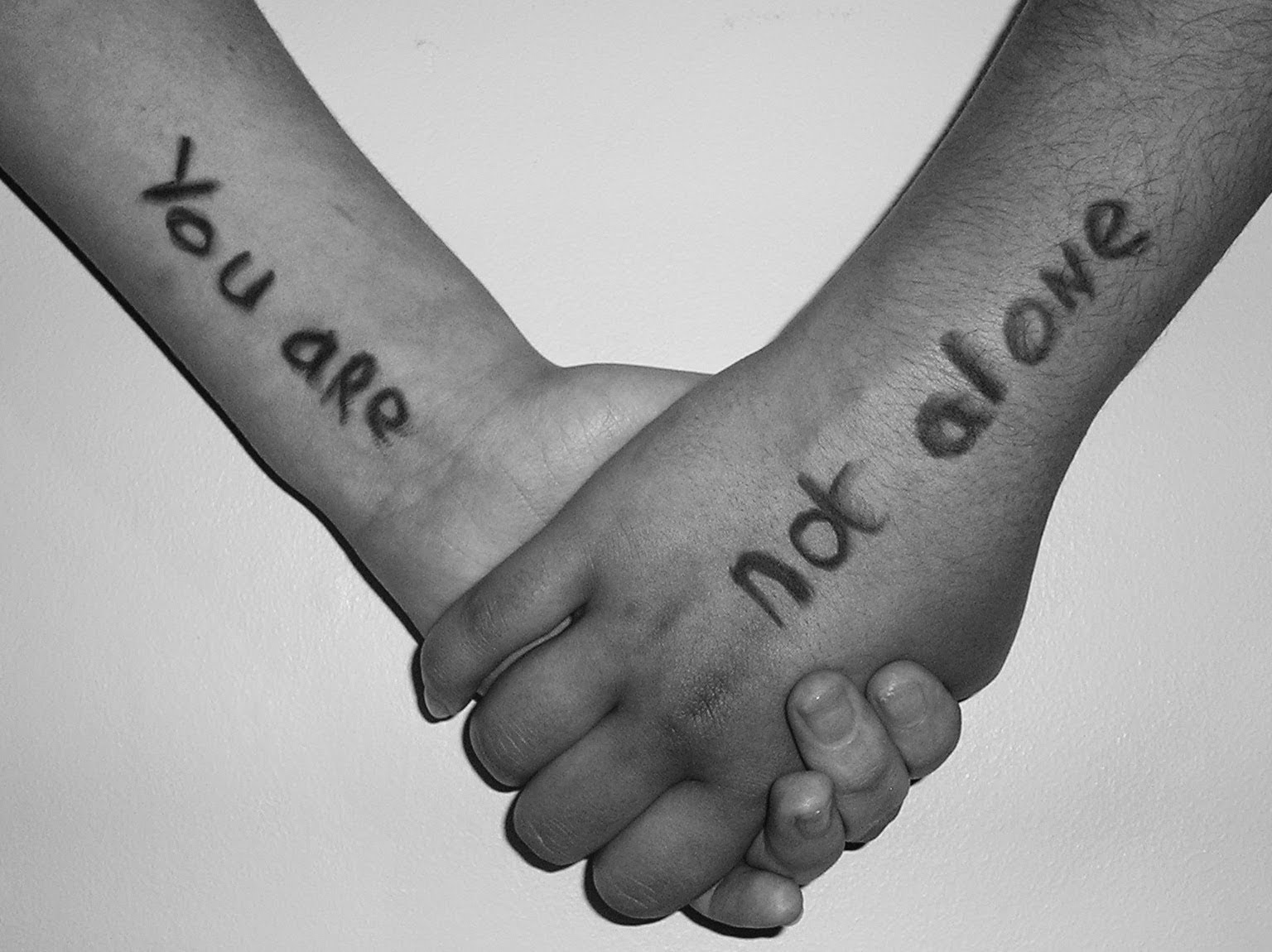
You are not alone on this journey.
Schedule a Free Discovery Call
Faith-Based Life Coaching for Women Survivors of Abuse