How to Start Healing After a Toxic Relationship
Leaving a toxic relationship is not the end of the pain, it is often the beginning of the healing journey. Many survivors expect relief once the relationship ends, yet instead they feel grief, confusion, guilt, fear, and emotional exhaustion. If this is where you are, please know this: nothing is wrong with you. Healing takes time, and God is not rushing your process.
Healing after toxicity is not about “getting over it.” It is about restoring what was broken, stolen, or distorted, your peace, your identity, your trust, and your sense of safety.
1. Acknowledge the Harm Without Minimizing It
One of the first steps toward healing is allowing yourself to name what happened, honestly and without excuses.
Toxic relationships often involve:
- Emotional or psychological abuse
- Manipulation or gaslighting
- Control, coercion, or intimidation
- Chronic criticism or blame
- Spiritual misuse or twisting of Scripture
You do not need to justify your pain to anyone. If it wounded you, it mattered. Scripture reminds us that God is near to the brokenhearted (Psalm 34:18), not to those who pretend they were never hurt.
Healing begins when truth replaces denial.
2. Release False Guilt and Self-Blame
Many survivors carry heavy shame:
- “Why didn’t I leave sooner?”
- “Why did I stay?”
- “Was it really that bad?”
Toxic relationships are built on confusion, trauma bonds, and fear, not weakness. You were surviving the best way you knew how at the time.
Romans 8:1 tells us there is no condemnation for those who are in Christ. Condemnation does not come from God, it comes from trauma, manipulation, and lies.
Healing starts when you stop punishing yourself for someone else’s behavior.
3. Rebuild Safety—Emotionally, Spiritually, and Physically
Your nervous system has been on high alert. Healing requires safety before growth.
This may look like:
- Limiting or cutting contact with the toxic person
- Creating predictable routines
- Surrounding yourself with safe, supportive people
- Allowing your body to rest
Spiritually, safety means rediscovering God as gentle and trustworthy, not harsh or demanding. Jesus invites the weary to come to Him for rest, not lectures (Matthew 11:28–30).
You are allowed to slow down.
4. Separate God’s Voice from the Abuser’s Voice
Many survivors struggle spiritually after a toxic relationship, especially if Scripture was used to control, silence, or shame them.
Healing includes learning to recognize:
- God’s voice brings peace, clarity, and conviction without condemnation
- Abuse brings fear, confusion, urgency, and shame
God does not coerce. He does not manipulate. He does not demand suffering to prove faithfulness.
Isaiah 42:3 reminds us that a bruised reed He will not break. If your faith feels fragile, God is not disappointed, He is protective.
5. Grieve What Was Lost
Healing does not mean pretending the relationship never mattered. You may need to grieve:
- The future you hoped for
- The person you were before the relationship
- Years lost to survival mode
Grief is not lack of faith, it is part of restoration. Even Jesus wept.
Allowing yourself to mourn makes space for God to rebuild something new.
6. Reclaim Your Identity
Toxic relationships erode identity. Over time, survivors lose touch with:
- Their intuition
- Their boundaries
- Their voice
- Their worth
Healing is the process of remembering who you are apart from who hurt you.
You are not:
- Too sensitive
- Too much
- Difficult to love
You are God’s beloved daughter, worthy of peace, respect, and safety.
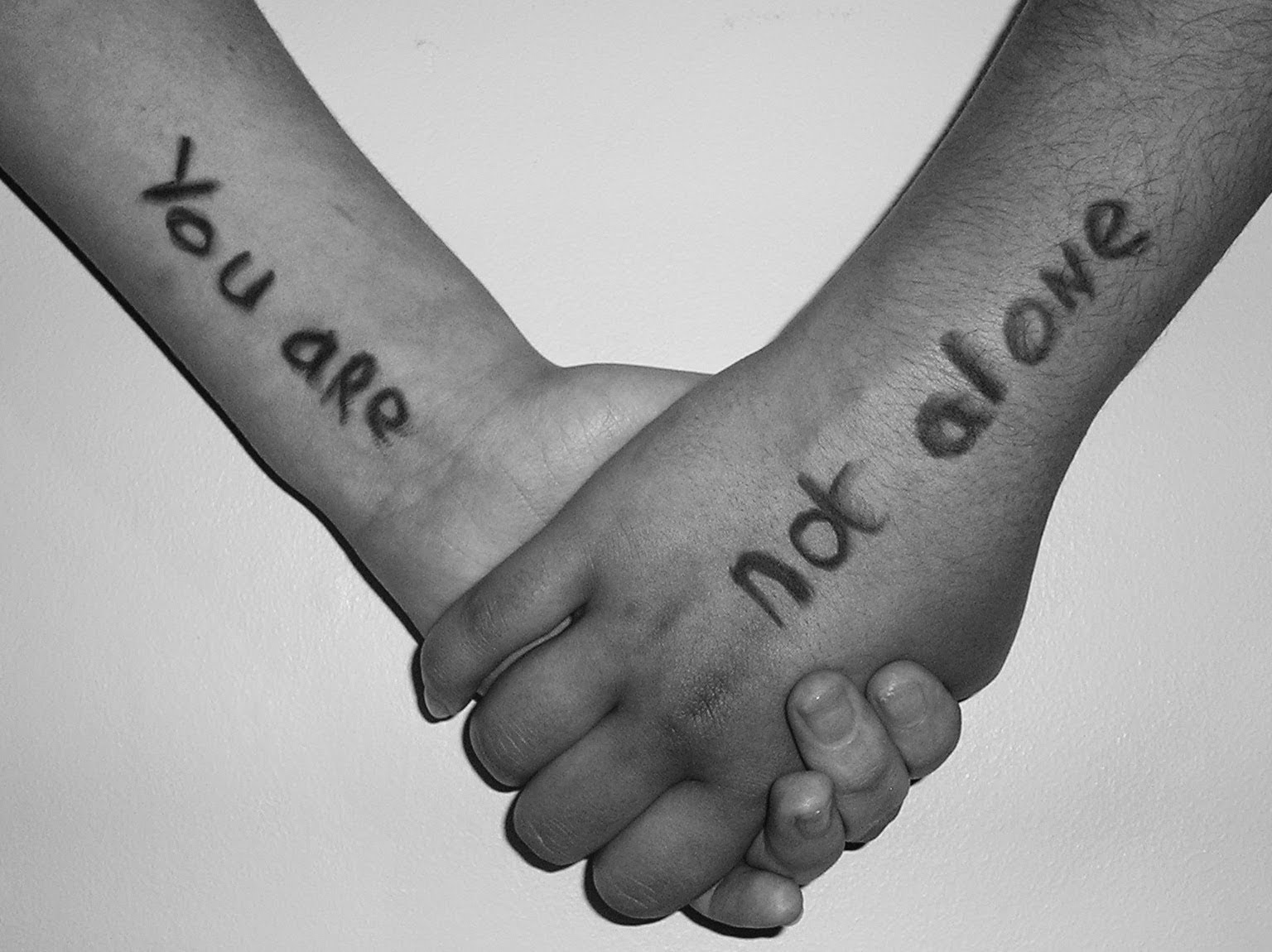
7. Seek Support—You Were Never Meant to Heal Alone
God often heals through people. Trauma-informed counseling, faith-based coaching, support groups, and safe friendships can help you untangle what happened and rebuild confidence.
Healing does not mean reliving the past forever—it means understanding it so it no longer controls you.
Ecclesiastes 4:9–10 reminds us that we are stronger together.
A Gentle Reminder for Your Healing Journey
Healing after a toxic relationship is not linear. Some days you will feel strong; other days, grief will resurface. That does not mean you are going backward, it means your heart is processing what it survived.
God is not measuring your progress. He is walking with you.
You are not broken beyond repair.
You are not behind.
You are not alone.
Healing is happening, even on the days it feels slow.